
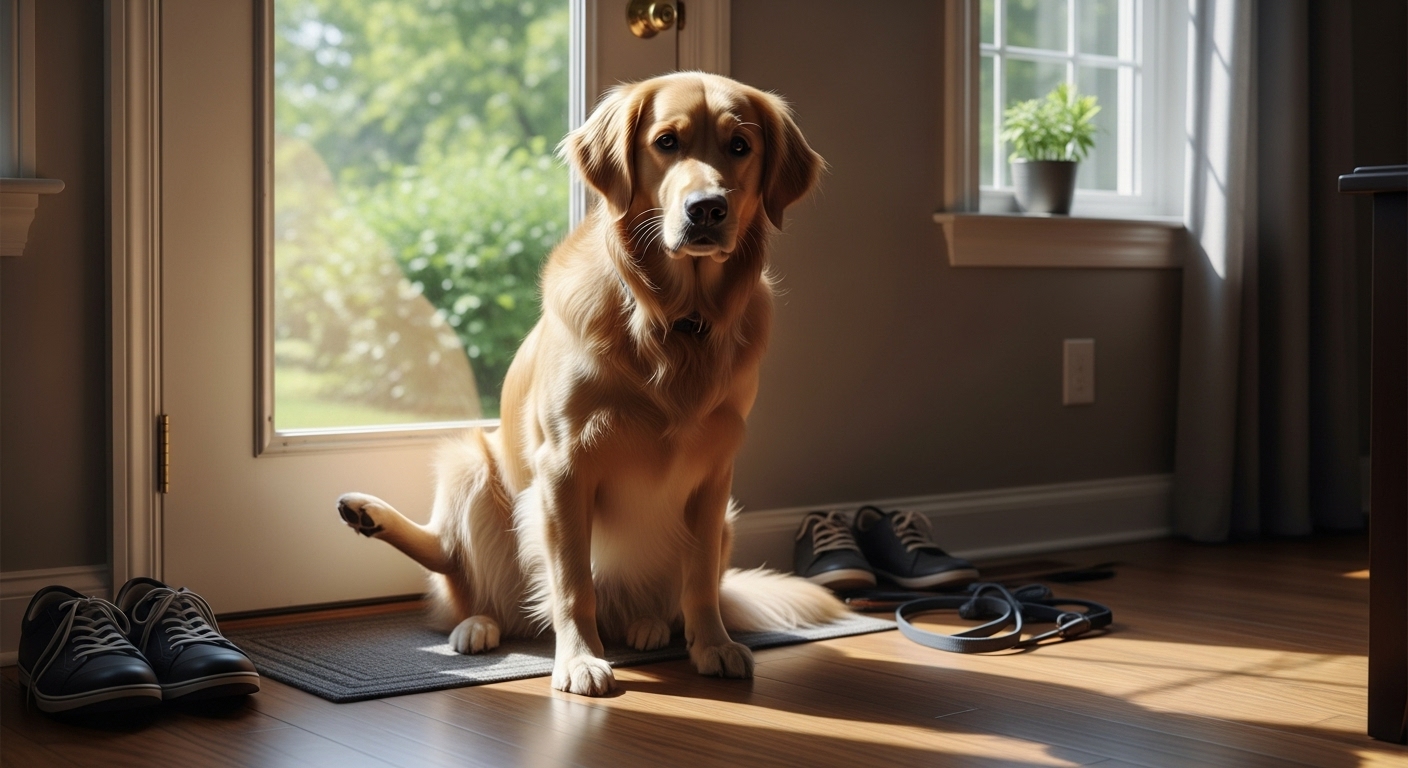
So last Wednesday I’m stuck in traffic for like three hours straight. Bumper to bumper the whole way back from visiting my sister. And I’m sitting there sweating bullets thinking about Max at home probably doing that weird little pee dance he does when he really needs to go. That’s when it hit me – how long can a dog go without peeing before it becomes a real problem?
Turns out I’m not alone in freaking out about this stuff and we’ve got good reason to worry.
Dog Bladders Work Differently Than You’d Think
Your dog’s kidneys are working round the clock. They never stop filtering blood and making pee throughout the entire day and night. It’s not like they produce one big batch and hold onto it – no it’s happening constantly drip by drip filling the bladder up.
Most dogs make somewhere between two to four milliliters per pound every single hour. That adds up quickly especially with bigger dogs. Bladder sizes are all over the place too – comparing a Chihuahua to a Great Dane is like comparing a shot glass to a bucket.
But capacity alone doesn’t tell the whole story here. Comfort matters and so do the health risks that come from holding it too long.
How Long Can a Dog Go Without Peeing – The Honest Answer
Healthy grown dogs can typically hold things for six to eight hours without too much trouble. Some make it to ten hours at night when they’re sleeping and everything slows way down. But listen – just because they CAN hold it that long doesn’t mean they SHOULD have to.
Max taught me this lesson the hard way and I felt awful about it. Used to think nine or ten hours alone was fine since he never had accidents on the floor. Then one day at the vet she’s examining him and notices this slight strain when he goes. Early UTI signs from holding it way too long over and over. Made me realize I’d been pushing his limits without even knowing it.
Puppies Are Like Little Pee Fountains
Baby dogs need to go constantly and I mean constantly. Every hour or two when they’re really young, maybe even more. Their bladders are tiny and they’ve got zero muscle control yet so accidents are just gonna happen no matter what you do.
Vets have this helpful rule – puppies hold pee for about one hour per month of age plus one extra hour. Your three month old pup might manage four hours if you’re lucky. That’s pushing it though not comfortable for them.
Anything under a month old has no control at all. Puddles everywhere until around three months when their bodies start catching up. Even then house training takes forever because biology is working against you both.
Old Dogs Deal With Different Problems
Senior pups lose muscle strength everywhere and that includes the sphincter controlling their pee. Sarah’s twelve year old Lab started having leaks after his afternoon naps. Normal for older dogs but meant he needed way more frequent trips outside than before.
Most senior dogs need breaks every four to six hours minimum. Some need more depending on what health stuff they’re managing. Kidney issues diabetes even just plain aging messes with bladder control completely.
Size Makes A Huge Difference
Little dogs have these tiny bladders that fill super fast. A Yorkie might need five or six bathroom trips daily while a Rottweiler does fine with three or four. It’s not training or behavior – this is straight up physical reality based on bladder size.
Funny enough some giant breeds like Mastiffs actually hold longer than medium dogs because a bigger bladder means more room. But breeds like German Shepherds, Dalmatians and Rottweilers are prone to incontinence problems no matter how big they are.
Water intake changes everything too. Wet food has more moisture than kibble. Salty snacks make them drink more. Hot days mean extra water. Exercise increases hydration needs. It’s this constantly moving target you gotta keep track of when figuring out how long a dog can go without peeing safely.
Health Issues That Wreck Normal Schedules
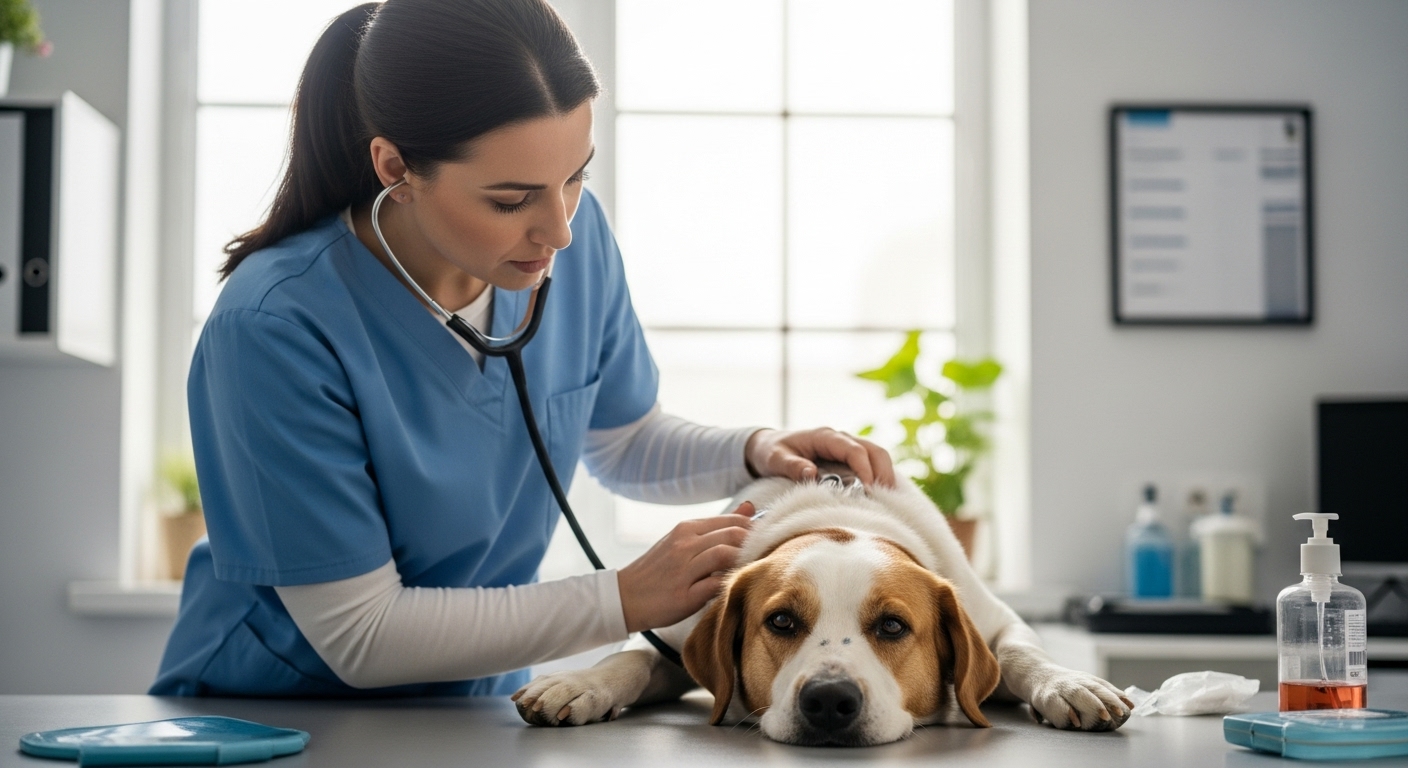
UTIs are super common and they destroy any normal bathroom routine you had going. Your dog suddenly needs to go every hour strains when peeing maybe has blood in their urine. Get to the vet fast because infections like these won’t fix themselves.
Diabetes causes crazy thirst and peeing all the time. Kidney problems do the same. Bladder stones create painful blockages. Prostate issues in males cause difficulties. Spinal injuries might eliminate control completely. Even stress and anxiety make them need to go more often.Proper nutrition plays a crucial role in urinary health – learn more about safe foods for your dog to maintain overall wellness.
Female dogs especially after getting spayed often get this sphincter weakness thing. The muscles controlling release just get weaker over time. This is like eighty percent of incontinence cases in dogs. Hormones and meds can help strengthen those muscles back up.
Signs They’re Holding It Way Too Long
Watch for pacing and restlessness – they’re uncomfortable. Whining or barking at the door signals they really need to go. Sniffing around and circling means they’re hunting for a spot. See this stuff happening indoors? Get them outside right now before disaster strikes on your carpet.
Some dogs hide it really well though. Max just sits by the door silently with sad eyes. Had to learn his signals because he’d rather suffer than mess up inside the house. Understanding your dog’s unique signals helps you know exactly how long a dog can go without peeing before they’re truly uncomfortable.
Bad Stuff That Happens From Holding Pee
Health problems get serious fast when dogs hold it too long. UTIs become way more likely when bacteria sits in stagnant pee for hours. These need antibiotics and can turn into recurring nightmares if the root cause isn’t fixed.
Bladder stones form when minerals crystallize in urine sitting too long. Super painful causes blood in pee and sometimes needs surgery to remove. Nobody wants their dog under anesthesia for something totally preventable.
Kidney damage scares me the most honestly. Making your dog pee for excessive time puts strain on their whole urinary system. Long term this can lead to kidney disease which you manage but never cure.
And think about basic comfort here. Imagine depending totally on someone else for bathroom permission and waiting hours past when you first needed to go. That discomfort turns into real pain and stress for them.
Setting Up A Schedule That Works
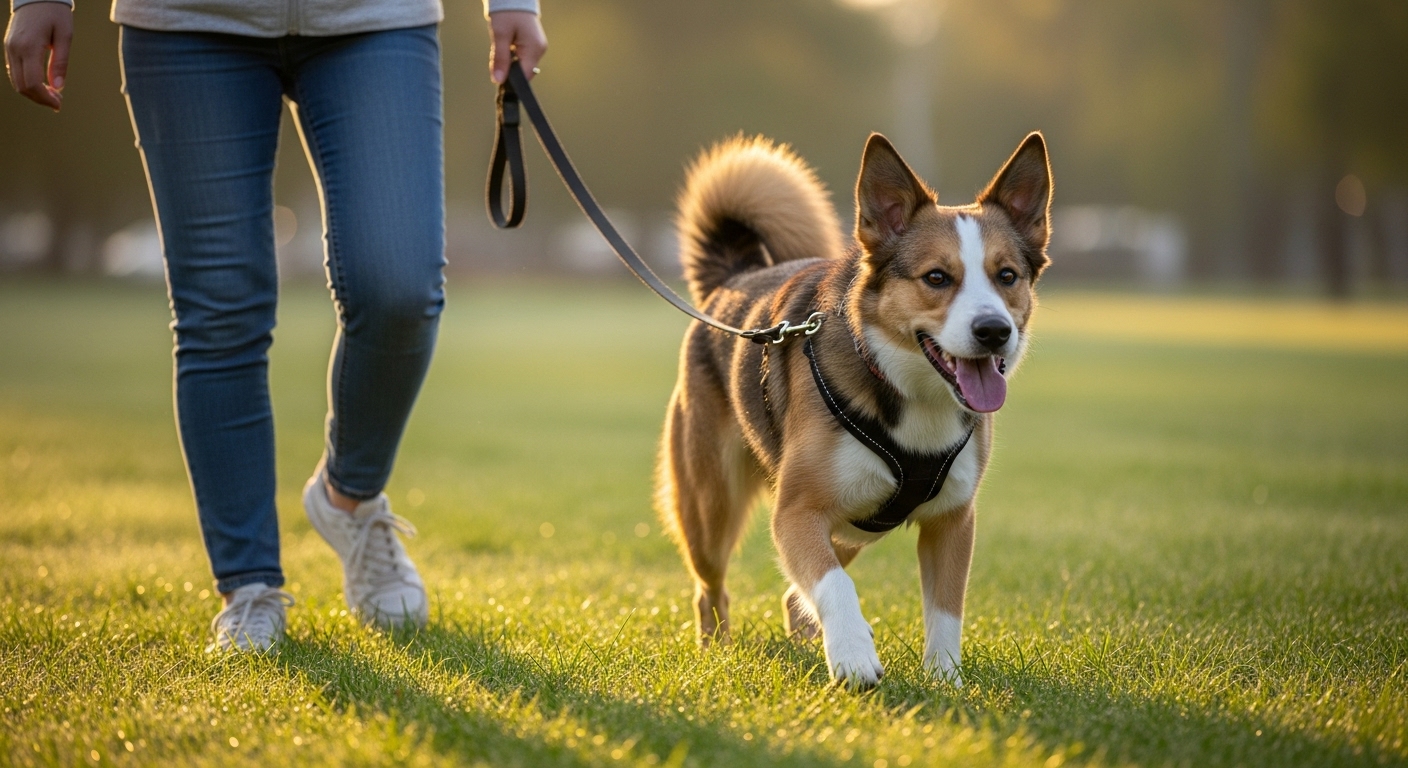
Most grown dogs do great with three to five breaks daily spaced every six to eight hours. Keeps them comfortable while working around real life where we’re all working full time.
Morning break needs to happen right when they wake up. Mid-morning if possible. Lunchtime works for lots of schedules. Late afternoon or early evening is crucial. That final nighttime trip before bed helps them make it till morning without problems.
Consistency helps so much with this. Dogs love routine and their bodies adjust to predictable timing. Take them out at the same times each day and they start expecting those breaks like clockwork.
Working long hours? Hire a dog walker for midday. Install a doggy door to a safe yard. Pee pads work okay for small breeds though they can confuse house training.
Making Longer Breaks Work Without Harm
Life happens sometimes and you need them to hold it longer. Here’s how without causing damage. Stick to predictable routines so their body adapts. Reward them big time with treats and praise when they wait for the right times.
Cut stress in their environment since anxiety increases how often they need to pee. Give mental stimulation through toys and activities. A tired happy dog manages control better than a bored anxious one.
Limit water slightly before bed if needed but never restrict it during the day. Dehydration causes worse problems than an extra bathroom break. They need proper hydration for overall health.
Different Situations Need Different Approaches
Overnight is when most dogs usually hold longest. Ten to twelve hours is common for healthy adults while sleeping. Metabolism slows pee production and decreases when they’re not moving. Some handle this fine forever, others need a late night break even as adults.
Car trips are tricky and stressful. Never expect holding for more than four to six hours during travel. The plan stops accordingly. Travel stress actually increases their need so build in extra breaks beyond what you’d normally plan for.
Moving somewhere new messes up bathroom routines temporarily. Expect more frequent needs during adjustment. Stress and excitement of unfamiliar places affects control significantly.
When You Need The Vet Right Away
If your dog hasn’t peed in twelve hours that’s an emergency. Call the vet immediately – blockage or serious medical stuff could be happening. Twenty-four hours without peeing is extremely dangerous territory.
Straining without producing much bloody or cloudy pee, frequent attempts with little output, sudden accidents in a house-trained dog excessive licking down there – all need a vet visit. Don’t wait hoping it improves. Urinary problems escalate incredibly fast.
Changes in drinking paired with bathroom changes signal medical issues. More thirst plus more peeing points to diabetes or kidney disease. Less peeing despite normal water means dehydration or blockage possibly. Need professional help? Contact us for pet care guidance and resources.
Real Talk About Working Full Time
I get it – bills need paying. Most people can’t pop home every four hours during work. That’s reality. But you’ve got responsibilities to your pet’s wellbeing too.
Gone eight to ten hours regularly? You need backup plans. Dog walkers aren’t luxury – they’re essential for working pet owners. Team up with a neighbor. Doggy daycare provides socialization plus bathroom breaks throughout the day.
Some train smaller dogs to use indoor pee pads or dog litter boxes for midday relief. Not ideal for big breeds but works as backup when you’re stuck at work wondering how long a dog can go without peeing before problems start.
Remote work changed everything for tons of dog owners. Being home just to let them out at lunch makes a massive difference in their comfort and health long term.
Bottom Line On Bladder Control
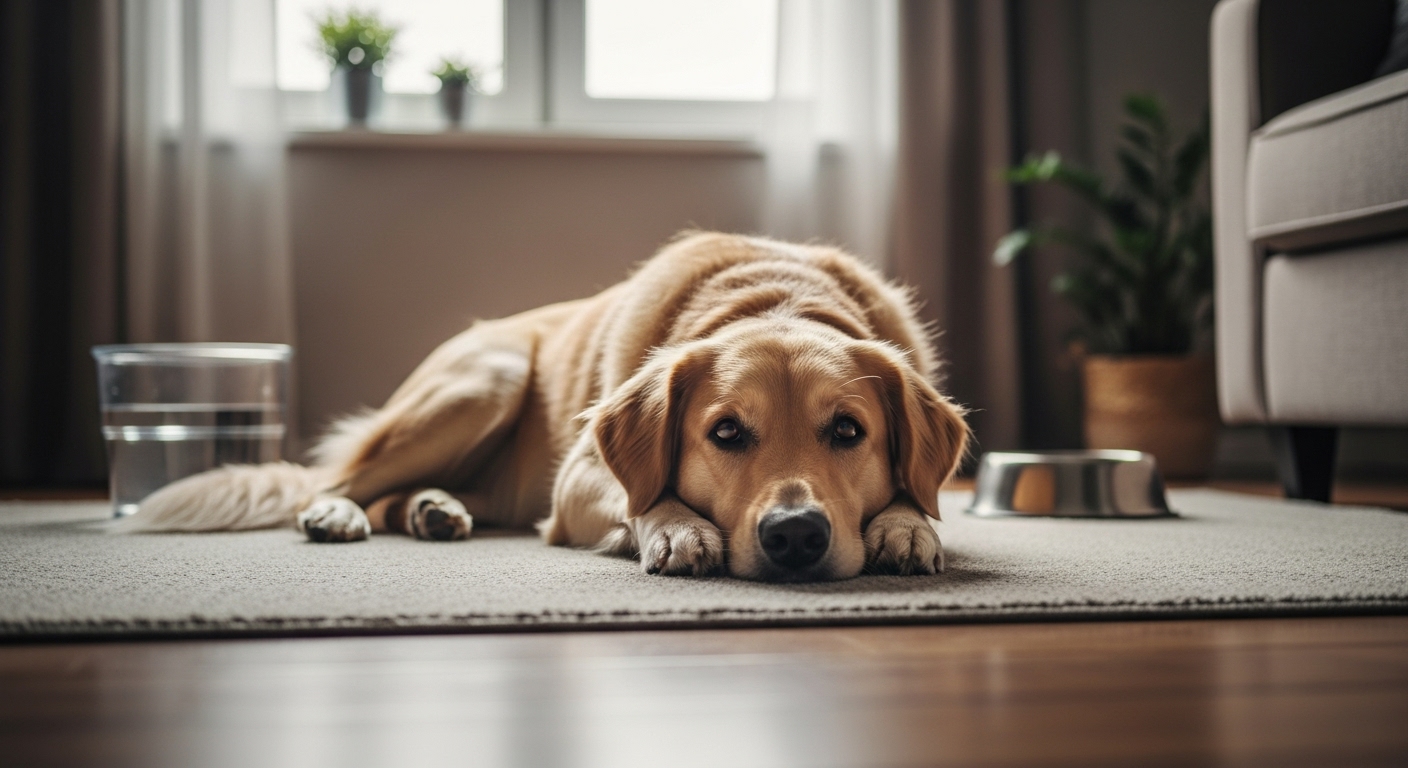
The biological max for healthy adults sits around eight to ten hours under perfect conditions. But capable doesn’t mean they should regularly get pushed near that limit at all.
Your dog deserves comfortable breaks every six to eight hours max as a general guideline. Puppies and seniors need way more frequent access than that. Health conditions, size and individual circumstances can dramatically change what’s right for your specific pup.
Really listen to your dog closely. Watch behavior patterns carefully. Notice their signals and cues. They’ll tell you when they need to go if you’re paying attention properly. When life throws curveballs messing with schedule, have backup plans ready to implement immediately.
Max taught me responsible ownership means prioritizing their needs even when inconvenient for me. That horrible traffic jam situation? I keep emergency plans now specifically to avoid putting him through that kind of stress again. Your dog depends entirely on you for bathroom access every single day. Don’t take that responsibility lightly ever.
So when someone asks how long a dog can go without peeing – the answer isn’t just about physical capability or biological limits. It’s about what’s actually healthy, comfortable and safe for your furry friend overall. Most veterinary professionals agree that six to 8 hours is the sweet spot for personal dogs although character wishes vary extensively based totally on age, health popularity and breed size.
Frequently Asked Questions
Can puppies hold their pee for twelve hours?
Some adults physically manipulate twelve hours overnight at the same time as dozing but this shouldn’t appear at some stage in waking hours regularly. Twelve hour stretches increase fitness risks considerably.
What if my canine doesn’t pee for twenty-4 hours?
Medical emergency desiring immediate vet attention proper away.Blockage kidney failure or severe dehydration could be happening.
Do small dogs need more bathroom breaks than large dogs?
Yes smaller breeds need more frequent breaks due to tiny bladder capacity though individual variation exists among all sizes.
How often should puppies pee?
Puppies under three months need breaks every one to two hours. As they grow they develop better control following the month-of-age plus one hour guideline.
Can holding pee cause permanent damage in dogs?
Repeatedly forcing dogs to preserve urine excessively increases dangers of persistent UTIs bladder stones and capacity kidney harm long term.
Why does my senior dog all at once have accidents?
Age-related muscle weak spot cognitive decline, medical situations like diabetes or kidney sickness and certain medications all make a contribution to senior incontinence problems.
Is it merciless to leave a dog on my own for eight hours?
Eight hours is commonly proper for wholesome adults in the event that they have lavatory breaks before and after though it is pushing snug limits.Arrange midday relief whenever possible.