
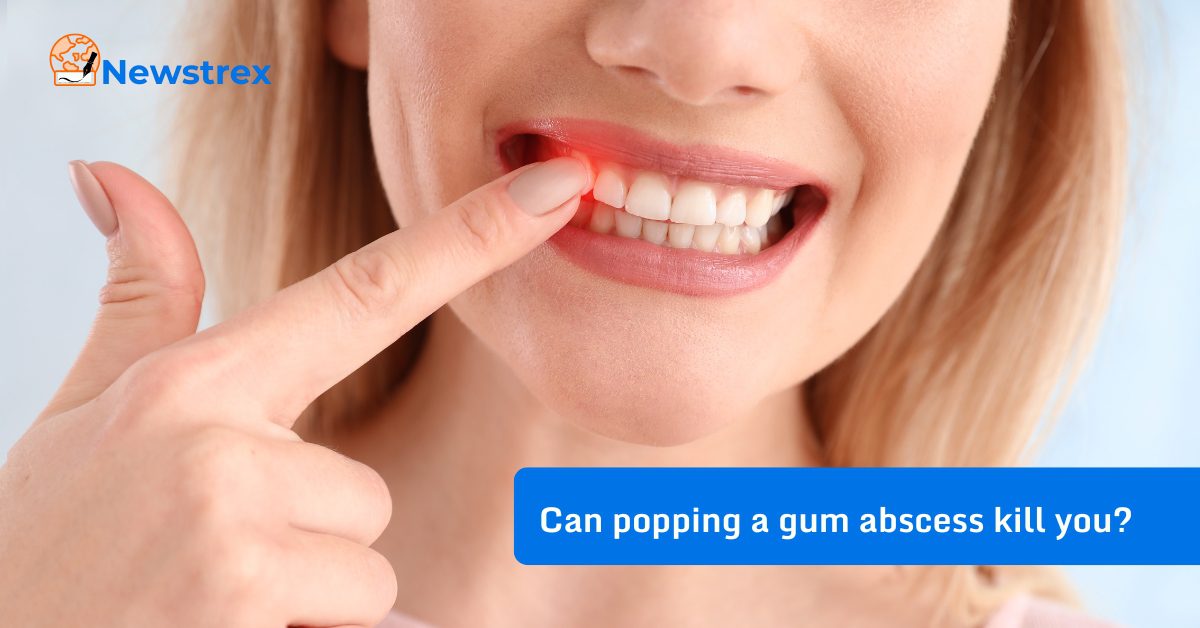
That bump on your gum won’t stop hurting. You’re probably thinking about just popping it yourself and calling it a day. Trust me, I understand – the pain makes you want to do anything for relief. But here’s the real question – can popping a gum abscess kill you?
I won’t lie to you. Popping it won’t kill you right there on the spot. That’s not the issue. The problem is everything that happens afterward. Infection spreads fast. Bacteria jump into your bloodstream. Everything goes downhill before you realize what’s happening.
Last summer, my cousin made this exact mistake. He thought he was smart about it too – sterilized a needle, popped it in his bathroom mirror. Relief lasted maybe six hours. Next thing we know, his cheek blew up like a balloon. Two AM emergency room visit. The doctor said another day and he might not have made it. That’s the moment I understood how serious this really gets.
7 Deadly Risks
Popping your gum abscess yourself unleashes seven lethal dangers doctors see all too frequently. First, sepsis develops when bacteria flood your bloodstream, inflicting organ failure within days. Second, brain infections occur as bacteria move into your skull triggering seizures and everlasting harm.
Third, Ludwig’s angina swells your neck so critically you can’t breathe without emergency intervention. Fourth, endocarditis attacks your coronary heart valves requiring open-heart surgical operation. Fifth, facial cellulitis spreads unchecked through soft tissues disturbing hospitalization. Sixth, jawbone infections wreck bone shape desiring sizable reconstruction.
Seventh, antibiotic-resistant microorganisms multiply while improper drainage leaves infection resources untreated. Each hazard by myself can kill you – mixed, they create a clinical nightmare that begins with one seemingly harmless pop for your lavatory reflect.
What’s Actually Happening Inside Your Mouth Right Now
That tender spot you can’t stop pressing with your tongue? That’s what dentists call a dental abscess. Basically, your body cornered some bacteria in a small space and stuffed it full of pus trying to kill them. Disgusting to the picture, but that’s exactly what’s going on in there.
These things come in different varieties. Sometimes they pop up right in your gum from something wedged in there – maybe a popcorn kernel or bit of food. Other times they grow deep down between tooth and gum, particularly when gum disease is already present. Regardless of type, bacterial infection is what your body’s fighting against.
Bacteria go crazy multiplying inside that space. Your immune system floods it with white blood cells. All that warfare creates swelling, dying cells, and the gross pus. More stuff packs into that pocket creating pressure. That’s the source of all that throbbing. Your gum stretches tight across all that infected material.
These bacteria aren’t choosy either. Might be Streptococcus, might be those anaerobic types that don’t need oxygen. They absolutely love hiding in deep gum pockets where toothbrush bristles can’t touch them.
Your Body’s Warning System Is Going Off
Your body screams warnings at you when an abscess forms. Pain arrives first, naturally. Not some mild discomfort though. I’m talking about that pulsing ache keeping you awake most of the night. It can shoot through your jaw or straight up to your ear.
Check the mirror and you’ll spot angry red, puffy gums surrounding that bump. Press on it and it’s hot, sore, possibly mushy if enough pus collected inside. It might look bigger or smaller day to day based on trapped fluid levels.
Right now your breath probably stinks terribly. Embarrassing, I know, but part of the package. Infection generates this nasty smell that even industrial-strength mouthwash barely masks. You might also taste something foul, particularly if the abscess leaks slightly.
Temperature extremes in food become unbearable. Cold water makes you wince. Hot coffee feels like a knife stabbing. The infection aggravates every nerve surrounding your tooth. Sweet foods can spark sudden sharp stabs too.
Look for puffiness spreading past that single spot. Cheek swelling or tender bumps under your jaw signal lymph nodes going into overdrive. Running a fever shows your entire system battling this infection. These indicators mean the situation’s escalating.
Why You Really Don’t Wanna Pop This Thing Yourself
This gets to the heart of why popping a gum abscess can kill you isn’t just internet hype. Trying to drain this at home feels logical – quick solution, money saved, problem solved. Reality doesn’t match up though.
Your bathroom lacks proper cleanliness. Hard truth but necessary. It doesn’t matter if you scrub everything with bleach. Hospital ORs run UV sterilization, air filtration, everything. You’ve got whatever’s under your sink. Poking that abscess might inject fresh bacteria straight into infected tissue.
Worse yet, squeezing pushes bacteria deeper inside. They penetrate your jawbone. They slip through blood vessel walls and cruise through your system. Bacteria reaching your bloodstream can land anywhere – heart, brain, kidneys. People wind up in ICU fighting for survival from exactly this.
You can’t extract everything anyway. Dentists have specialized instruments and proper techniques for thorough drainage. They flush with antimicrobial rinses. They ensure the pocket properly collapses instead of just refilling. None of that’s possible with a needle and bathroom tissues.
That relief after popping? Just pressure dropping. Infection keeps chugging along. Bacteria keep reproducing. One or two days later, that pocket’s full again. Usually worse because you interfered with your body’s containment effort.
When Mouth Infections Turn Into Life or Death Situations
This matters most when asking can popping a gum abscess kill you. Dental infections don’t always stay contained in your mouth. When they escape, deaths actually occur.
Sepsis kills the most people. Your immune response goes haywire fighting infection. Chemical dumps into the bloodstream causing system-wide inflammation. Blood pressure plummets. Organs begin failing. Hospital treatment must start immediately or sepsis kills shockingly fast.
Real deaths from tooth infections happen regularly. That Maryland kid in 2007? I am twelve years old. A tooth infection reached his brain. The family couldn’t access treatment fast enough. He died. It actually happened. Sparked major policy changes for children’s dental coverage, but proved these infections absolutely kill.
Ludwig’s angina sounds fictional but it’s horrifyingly real. Infection invades your neck and mouth floor. Swelling gets so extreme you struggle breathing and swallowing. Emergency breathing tubes keep people alive while doctors combat infection.
Brain infections develop when bacteria breach your skull. Infection trapped inside creates pressure against brain tissue. Seizures begin. Consciousness fades. Emergency surgery becomes the only option for draining before permanent damage occurs.
Cellulitis makes your whole face swell. Infection races through soft tissue. Beyond appearance issues, this means bacteria moving unchecked throughout your system. Hospital stay required, IV antibiotics, potentially surgery removing infected tissue.
Bacteria can colonize heart valves causing endocarditis. Bacterial clumps grow on valves then break loose, triggering strokes. Valve damage gets so severe open-heart surgery becomes necessary. All starting from mouth bacteria.
What Dentists Actually Do That You Can’t
Professional treatment bears zero resemblance to home attempts. Dentists numb everything initially so pain disappears. They employ actual surgical tools designed specifically for this.
Incision placement happens at precisely the right location where gravity assists drainage. Proper pressure gets applied extracting all pus without harming surrounding tissue. Sometimes a small rubber drain stays in for a day or two allowing continued drainage.
Deep cleaning follows drainage, reaching under your gum line. This isn’t routine cleaning. They’re stripping away calculus, plaque, and bacteria hiding where brushes never reach. Root surfaces get smoothed so gums heal and reattach correctly.
Root canal becomes necessary if infection invades tooth pulp. They drill in, remove all infected internal material, shape the canals, pack them with specialized filling, then seal everything. Crown gets added later.
Sometimes teeth are too wrecked for saving. Extraction happens, the socket gets thoroughly cleaned, and replacement options get discussed. Modern extractions really aren’t the nightmare people imagine with proper anesthesia.
Antibiotics are prescribed for killing leftover bacteria – typically amoxicillin or clindamycin. Seven to ten day course. But pills alone never cure abscesses. Physical drainage must occur first.
What To Do While Waiting For Your Dentist Appointment
You scheduled tomorrow’s appointment. Now what? Primary rule – hands off that abscess. No squeezing. No poking. Complete avoidance.
Warm salt water rinses provide significant help. Half teaspoon salt in warm water. Swish for sixty seconds. Repeat four or five times daily. Salt creates an environment bacteria despise while reducing swelling.
Ibuprofen handles pain better than Tylenol for dental issues since it also fights inflammation. Stick to bottle directions. Taking extra doesn’t improve results.
Soft foods prevent further irritation – mashed potatoes, eggs, smoothies, soup. Avoid crunchy, chewy, spicy options. Room temperature or cool foods feel better than hot items.
Continue brushing and flossing but use gentleness around the sore area. Stopping oral hygiene worsens everything. Soft brush required. Consider switching to sensitive toothpaste temporarily.
Sleep elevated on additional pillows. Flat positioning intensifies throbbing from increased blood flow to your head. Slight elevation reduces pressure.
Water intake matters. Hydration supports immune function. Ditch alcohol – disrupts healing and interferes with pain medication. Stop all tobacco use. It restricts blood circulation and slows recovery.
Keeping This From Happening Again
Prevention crushes treatment every time. Solid brushing habits form your foundation. Minimum twice daily with fluoride toothpaste. Invest time – full two minutes covering all surfaces.
Daily flossing matters. Food particles and bacteria wedge between teeth beyond brush reach. Regular floss, picks, or water flossers all work. Any method beats skipping entirely.
Biannual dentist visits for cleaning and examination catch problems early before abscess development. Early detection means simpler, less expensive solutions.
Monitor your diet. Sugar fuels decay-causing bacteria and infections. Restrict candy, soda, sugary beverages. After consuming sweets, brush or at minimum rinse with water. Acidic items erode enamel too. Limit citrus, tomatoes, wine, carbonated drinks.
Smoking cessation ranks as the single best action possible. Smoking demolishes your mouth’s natural protection. Blood flow to gums gets restricted making infections more probable. Tobacco users develop gum disease six times more frequently than non-users.
Address problems immediately when noticed. Cracked teeth? Schedule dentist visit. Loose filling? Don’t postpone. These create bacterial entry points. Delays worsen everything.
Overall health maintenance matters significantly. Diabetes dramatically increases infection risk. Blood sugar control is critical. Immune-suppressing medications require extra oral hygiene vigilance.Find more helpful tips on staying healthy at https://newstrex.com.
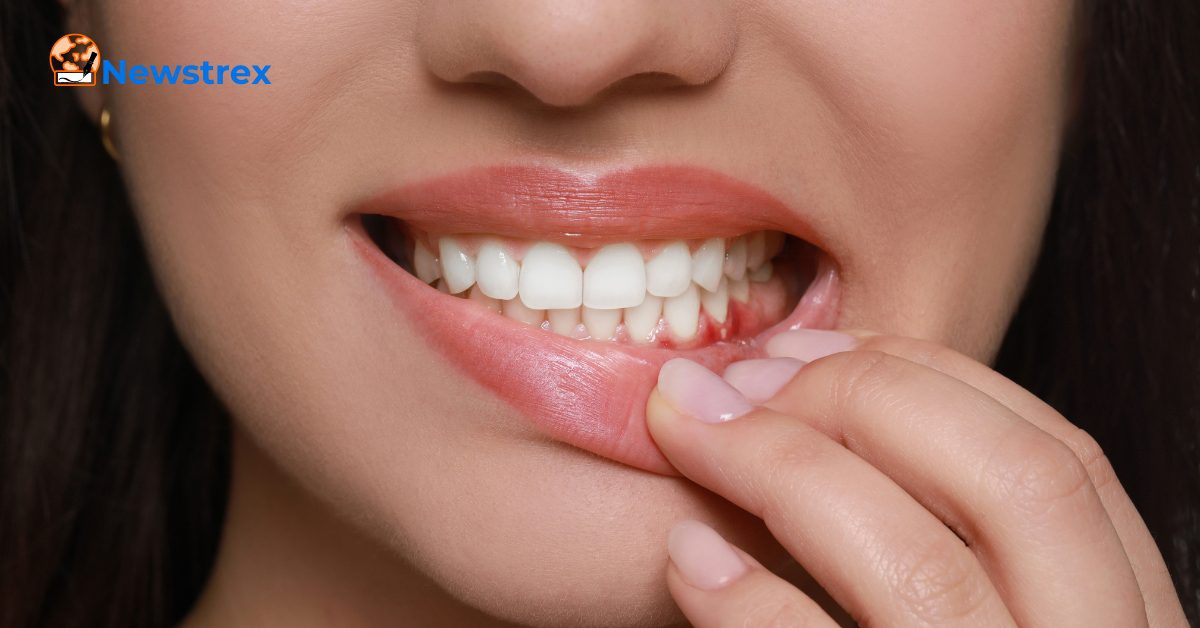
If It Bursts Before You Get To The Dentist
Occasionally that abscess ruptures spontaneously. You’ll recognize it instantly – sudden disgusting discharge, immediate pressure relief, terrible taste. Don’t completely freak out.
Spit out everything. Avoid swallowing if possible. Begin warm salt water rinsing immediately. Continue rinsing and spitting hourly. Goal is flushing maximum infection out.
Very gentle pressure around the area with clean fingers can help additional drainage. Emphasis on very gentle – not pimple-squeezing. Just assisting natural drainage.
Pain relief feels incredible but don’t assume you’re healed. The infection source remains present. Bacteria still thrive. Without proper treatment, that pocket refills within days. Dentist visits are absolutely still required ASAP.
Monitor for worsening signs – developing fever or temperature climbing, swelling expanding to cheek or neck, swallowing or breathing difficulty, overall sickness increasing. Any of these requires an immediate ER visit. Don’t wait for dental appointments.
Antibiotics Help But They’re Not Magic
Let’s discuss antibiotics and can popping a gum abscess kill you. Yes, antibiotics combat infection. No, they’re insufficient alone. Not remotely close.
Antibiotics eliminate bacteria throughout your system including abscess bacteria. Dental infection standards include amoxicillin, penicillin, metronidazole and clindamycin. Metronidazole or clindamycin work for penicillin allergies. A typical course runs about one week.
They function by directly killing bacteria or preventing reproduction. Your immune system handles cleanup. Within one or two days improvement should occur – reduced pain, decreased swelling, fever resolution.
But limitations exist – they can’t physically drain pus pockets. Dead tissue removal is impossible. The original dental problem causing infection stays unfixed. That abscess remains packed with bacteria and pus that pills can’t reach.
Complete the entire prescription even after feeling better. Early stoppage leaves resistant bacteria surviving. These survivors multiply creating harder-to-treat future infections.For more details, visit: Heart Association.
Some people seek antibiotics from regular doctors avoiding dentists. Terrible strategy. Your doctor might provide short-term pills, but without drainage and dental procedures, you’re just postponing problems. Infection returns after stopping antibiotics.
Never use old leftover antibiotics or borrow someone else’s. Wrong antibiotics or incorrect dosage worsens situations. Each infection requires specific treatment.
Your Mouth Connects To Your Whole Body
People imagine oral health exists separately from overall body health. Wrong. Your mouth connects directly into your circulatory system. Dental infection bacteria travel everywhere.
Diabetes and gum infections amplify each other. Elevated blood sugar weakens immune response making infections easier. Simultaneously, gum infection inflammation makes blood sugar management harder. Diabetics with gum disease face far more glucose control struggles than those with healthy gums.
Heart disease connects to oral infections in ways still being researched. Mouth bacteria can contribute to arterial plaque accumulation. Research demonstrates gum disease elevates heart attack and stroke risk.
Pregnancy introduces another concern layer. Pregnancy gum disease links to premature delivery and underweight babies. Inflammation and bacteria influence fetal development. Pregnant women require extra dental health caution.
Compromised immune systems from HIV, cancer treatment, or transplant medications increase dental infection risk. Your body can’t mount effective defense. Infections advance faster with easier complication development.
Respiratory infections can originate from oral bacteria. You constantly inhale bacteria from your mouth. Active infections mean inhaling harmful bacteria potentially settling in lungs causing pneumonia.
Real Stories That Show This Actually Happens
Statistics lack impact until hearing real stories. Deamonte Driver from Maryland was twelve when he died in 2007. It began with a tooth infection spreading to the brain. His mother pursued care but insurance obstacles interfered. When doctors finally saw him, bacteria had created brain abscesses. Two surgeries failed to save him.
Kyle Willis, twenty-four, lived in Cincinnati. Suffered tooth infection but couldn’t afford the $127 extraction. Managed using over-the-counter painkillers. Infection reached his brain. Hospital arrival came too late. Death occurred within weeks. Twenty-four years old from a tooth infection.
Vadim Kondratyuk in California was thirty-one. Ignored his abscessed tooth expecting eventual self-healing. Finally seeking help, infection had spread triggering septic shock. Weeks spent in intensive care fighting for survival. He survived but suffered permanent organ damage.
These aren’t unusual freak occurrences. Dental infection deaths happen more frequently than most realize. Death certificates list complications – sepsis, brain infection, organ failure – not originating tooth infection. Actual numbers likely far exceed reported statistics.
These stories demonstrate understanding how gum abscesses can be lethal involving real people. Not theoretical concepts. Real deaths occur when people can’t access care or underestimate seriousness.
Quick Answers People Usually Ask
What should I do if my abscess pops by accident?
Immediately rinse with warm salt water and continue rinsing every few hours. Call your dentist right away since infection remains active despite pressure relief. Don’t assume self-healing occurred.
How fast can this become life threatening?
Varies significantly but severe cases can spread infection to the bloodstream within mere days. Don’t attempt waiting it out. Every abscess requires professional evaluation immediately upon noticing.
Will antibiotics fix everything without seeing a dentist?
Absolutely not. Pills eliminate bacteria but can’t drain pus or repair underlying problems. Both medication and actual dental procedures are necessary for proper treatment. Skipping dental work guarantees recurrence.
Why does this smell so disgusting?
Bacterial infection produces pus containing dead cells and bacteria. Drainage means tasting decomposing tissue. Exactly as gross as it sounds but that odor confirms active infection.
What can I eat that won’t hurt more?
Stick with soft, cool options – yogurt, smoothies, mashed vegetables, scrambled eggs work well. Avoid anything hot, spicy, crunchy, or sugary potentially causing additional irritation.
Should I go to the ER for this?
Severe swelling beyond gum, high fever, breathing or swallowing trouble, or feeling extremely sick overall means yes, ER immediately. Otherwise pursue urgent dental appointments.
Will everyone get an abscess eventually?
No. Solid oral hygiene, regular dental checkups, and addressing small problems before escalation prevents most abscesses. They’re not inevitable with proper dental care.
Can this happen again after treatment?
Not with proper prevention strategies and maintained oral health. Most people receiving proper treatment and improving habits don’t experience recurring abscesses.
The Bottom Line On All This
After everything, can popping a gum abscess kill you? Self-popping probably won’t cause instant death. But complications from attempting? Those absolutely can kill. Sepsis, brain infections, organ failure happen to real people who think they can handle it alone or ignore issues too long.
Seek professional help. Yes, dentists cost money. Yes, appointments are inconvenient. But know what costs more and creates worse inconvenience? Emergency facial infection surgery. Weeks in ICU battling septic shock. Brain damage from infection reaching your skull. Funeral expenses.
Care for teeth before problems develop. Brush, floss, maintain regular dentist visits. If abscess develops anyway, immediately schedule appointments. Don’t wait seeing if worsening occurs. Don’t attempt bathroom self-treatment. Make that phone call and get help from trained professionals.
Your mouth directly connects to everything else throughout your body. Infections don’t remain isolated. They travel. They spread. Improper treatment causes serious damage. Treat dental problems seriously since they constitute serious medical issues. Stay safe and keep your dentist’s contact information accessible.