

Okay so I’m just gonna be completely straight with you here – when someone first mentioned cellulogia to me at a coffee shop last month, I literally snorted my latte because it sounded absolutely ridiculous. Like something a fake doctor would make up to sell supplements on late night TV, right?
But then my roommate who’s doing her PhD in biology explained it to me and honestly I felt pretty stupid for laughing.You know that moment when something complicated suddenly makes total sense? When all the random pieces click together and you’re like “oh damn, NOW I get it”?
That’s exactly what happened to me with cellulogia, and I’m gonna do that same thing for you right now. No fancy words that nobody actually uses in real life, no making you feel dumb – just explaining this stuff like we’re sitting at a bar having a conversation.
What Exactly Is Cellulogia Anyway?
So basically cellulogia breaks down real simple when you look at it. “Cello” comes from the word for cells, and “logia” just means studying something. That’s literally it. You’re studying cells, but not in that awful way where your biology teacher made everyone dissect frogs and half the class nearly threw up. This is the interesting part they somehow never got around to teaching us.
Now I bet you’re thinking “wait a second, isn’t that just regular old biology?” and yeah I had that exact same thought initially. But here’s what’s different – biology covers literally every living thing on Earth. Trees, cockroaches, your annoying neighbor’s yappy dog, that weird mold growing in someone’s shower, all of it.
Cellulogia zooms way in focusing specifically on just the cell part. How they actually function, what makes them break, what gets them doing what they do. Pretty massive difference when you actually look closer at it.
What really grabbed my attention – and this is gonna sound overdramatic but whatever it’s true – is realizing these microscopic things you absolutely cannot see without fancy equipment are basically running your entire existence.
Every random thought popping into your head, every single time you move your finger, everything you feel physically or emotionally – that’s all cells doing their jobs. Kinda freaky when you actually stop and think about it like that, not gonna lie.
Why Should Anyone Care About Cell Studies?
Here’s what really messed with my head initially. Right this exact second there’s literally billions of different things happening throughout your body just because of what cells are up to. That weird itch on your ankle? Cells made that sensation happen. Being able to see this screen and actually understand these words? Brain cells firing constantly. That grumbling noise your stomach makes when you skipped breakfast? Yep, cells again doing their thing. Absolutely everything somehow goes back to them.
I figured out a decent way to think about this whole situation. Your body is basically like this absolutely massive company with millions upon millions of employees all doing completely different jobs. Some cells are upper management making big important decisions. Others are security staff fighting off invaders trying to cause problems.
Some are maintenance workers fixing broken stuff constantly. Cellulogia is basically scientists trying to understand how this entire gigantic operation runs itself smoothly without anyone actually being the boss giving orders. Because that’s the legitimately wild part – there’s no CEO running things. It just works automatically somehow.
And this isn’t just random useless facts that don’t actually matter to anyone. My aunt Linda beat stage three breast cancer about two years ago using treatments that straight up didn’t even exist when I was in high school. Cancer medications, vaccines preventing diseases, medicines for conditions that used to just kill people automatically – all that stuff exists today because scientists got way better at understanding what cells do and how to work with them properly.
The Building Blocks Nobody Talks About
Alright this is gonna sound completely insane but just hear me out for a second. Your body is constantly dumping millions of old worn-out cells and simultaneously making brand new replacement ones every single day. Right now while you’re sitting there reading this, millions of cells throughout your body just died and got replaced with fresh ones.
You didn’t feel anything happen, you don’t notice it occurring, but it’s going on constantly without stopping. Some cells last years before dying, others are gone within days. This whole turnover system keeps you functioning and alive, and cellulogia research figured out how that entire complex system actually works.
Different types of cells have completely different specific jobs throughout your body doing various things. Nerve cells are basically these crazy fast messenger services zipping around delivering information at insane speeds. Muscle cells are the strong workers making you move around and lift stuff.
Skin cells are basically your body’s exterior walls keeping everything contained inside and keeping bad stuff locked outside. Blood cells are like delivery trucks constantly hauling oxygen everywhere it needs going. Each specific type has its own particular thing it does, its own unique shape, its own specific way of handling business efficiently.
But here’s what I think is legitimately cool – even though they’re all completely different doing separate jobs, every single cell shares certain basic fundamental stuff. They all got this outer protective wall that carefully decides what gets allowed in and what stays locked out. Like a bouncer working at an exclusive club basically, checking IDs carefully and keeping troublemakers outside where they belong.
Then inside there’s the nucleus which is basically like the main office where absolutely all your genetic information lives permanently. Every individual cell is basically its own tiny independent operation running separately but coordinating somehow.
How Scientists Actually Study This Stuff
So you’re probably sitting there wondering how anyone even sees something so ridiculously tiny you need special expensive equipment just to know it actually exists in the first place. Scientists use these absolutely insane microscopes that make things one million times bigger than normal. That’s not me being overdramatic for effect – literally one actual million times magnification. Try wrapping your brain around that magnitude for a second. It’s completely bonkers when you seriously try imagining it properly.
But studying cellulogia in labs isn’t just staring through microscopes getting terrible headaches all day long. Scientists actually grow living cells in laboratories, which sounds totally weird but makes complete sense when you think about it logically. They can test different medicines, deliberately change conditions, carefully watch how cells react to various diseases – all without ever risking experimenting on actual real people.
My buddy Jason works in one of these research labs and honestly when I visited him last spring it looked way more like someone’s cluttered garage workshop than what I expected from serious science research facilities.
Then there’s molecular biology which somehow goes even tinier than regular cells themselves. Scientists can actually watch individual molecules inside cells doing their specific assigned jobs in real time. It’s like zooming into a massive factory and watching each tiny gear turn and each individual worker perform their task.
They’re tracking proteins moving around, watching DNA do its thing, seeing how absolutely everything communicates with everything else constantly. Detective work investigating stuff you literally cannot see with normal human eyes no matter how hard you try.If you’re interested in health topics, check out our comprehensive health guides.
The Medical Breakthroughs That Changed Everything
Let me tell you about real actual stuff that genuinely saved people’s lives, not made-up stories. Cellulogia research has helped millions of people and that’s not exaggeration or marketing hype. Take antibiotics for example – they work specifically because scientists eventually figured out bacterial cells are built fundamentally different from human cells structurally.
So they developed drugs that completely wreck bacteria but leave our own cells totally alone and undamaged. That one single breakthrough discovery changed absolutely everything about modern medicine completely.
Cancer treatment shows you where cellular research really demonstrates its value most clearly. Turns out cancer isn’t even one single disease – it’s actually like hundreds of completely different problems all involving cells that basically went rogue and stopped following the normal rules entirely.
My friend Tom’s younger sister had ovarian cancer diagnosed last year and they gave her this targeted therapy that specifically only attacked bad cancer cells while leaving healthy ones alone. Ten years ago that exact treatment literally didn’t even exist as an option. She’s doing fine now, runs half marathons regularly and everything.
Vaccines work entirely on cellular biology principles too. Everyone’s got extremely strong feelings about vaccines lately for various reasons but the basic underlying science is actually pretty simple – they train your immune cells to recognize specific threats before those threats can cause actual damage.
Without properly understanding how cells communicate with each other and remember previous encounters, vaccines wouldn’t be remotely possible at all. The entire concept is completely built on cellular biology knowledge foundation.
Where Technology Meets Biology
This is honestly where things get absolutely insane sounding. Modern cellulogia research isn’t just passively studying cells anymore – scientists are actively editing them in real time. Like literally going inside and deliberately changing specific genes inside living cells using precision tools like CRISPR technology. I know how completely crazy that sounds out loud but it’s genuinely really happening right now in research labs everywhere around the world.
There’s this whole personalized medicine movement starting to take off too. Instead of giving absolutely everyone the exact same medication and just hoping it works okay for most people, doctors can examine your specific individual cells and design custom treatments specifically just for you.
Imagine walking into a doctor’s office and getting medicine custom-made for exactly how your unique body operates specifically. That’s not distant future talk – it’s already starting to happen now in some advanced hospitals.
And check this out – scientists are literally growing actual functional organs. Real human organs from cells in sterile laboratories. I’m completely dead serious about this, not making it up. They take someone’s own cells, carefully grow them into living tissue, eventually create complete replacement organs without needing to wait for organ donors who died tragically in accidents.
My uncle Dave needs a new liver pretty desperately and his specialist doctor told him within maybe fifteen years they might feasibly just grow him one from his own cells. That’s the actual direction medicine is genuinely heading soon.
The Connection Between Cells and Disease
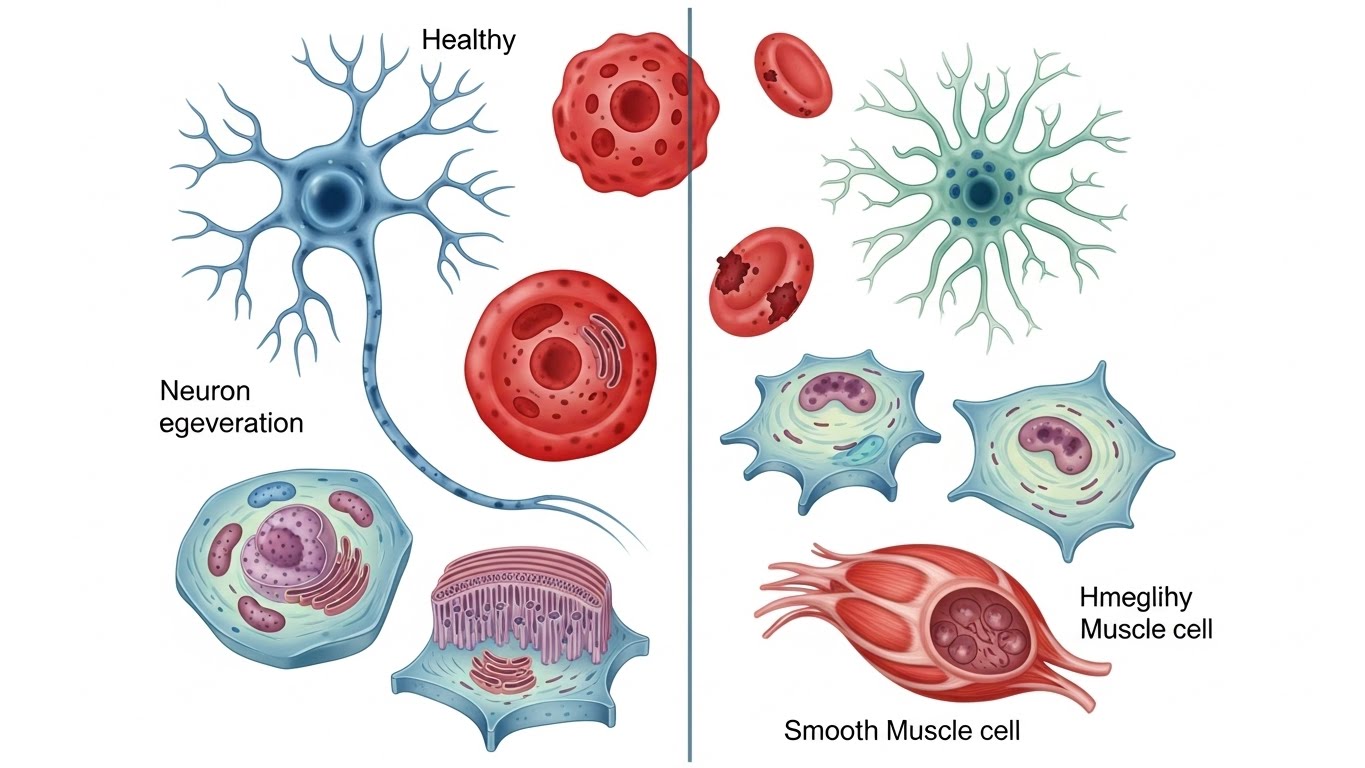
Every single disease you can possibly think of somehow connects back to cells not correctly. Diabetes? Your cells either aren’t producing enough insulin or they’re basically ignoring it when it actually shows up. Heart disease? Cells in blood vessels are damaged or seriously malfunctioning somehow. Alzheimer’s?
Brain cells are dying way faster than they naturally should be. Doesn’t matter what specific health problem you’re talking about, there’s always some cellular component involved somehow.
What makes cellulogia so incredibly important is it shows us what’s actually fundamentally broken instead of just covering up obvious symptoms temporarily. It’s exactly like your car making that awful grinding noise – you wanna know what’s actually causing it, not just blast the radio louder to drown it out, right? Exactly the same logic applies here with health.
If scientists can pinpoint exactly what’s going wrong at the cellular level specifically, they’ve got way better realistic chances of actually fixing the real underlying problem permanently.
Autoimmune diseases demonstrate this perfectly as clear examples. Your immune cells somehow get their wires crossed confused and start violently attacking your own body which obviously causes major serious issues. Now that scientists properly understand what’s happening at the cellular level mechanically,
they’re developing treatments that calm those confused cells down or basically retrain them properly. Super precise delicate work that wouldn’t be remotely possible without really deep comprehensive cellular understanding.
How Your Lifestyle Affects Your Cells
Here’s something genuinely practical you can actually use starting literally today in your real life. How you live day-to-day directly messes with your cells – for better or considerably worse. When you eat garbage constantly, your cells struggle because they’re not getting proper nutrients needed. It’s exactly like putting terrible cheap gas in an expensive nice car. Sure it’ll run somehow but not well at all and eventually important stuff breaks that really shouldn’t.
Exercise does legitimately amazing stuff to your cells most regular people don’t know about or realize. It makes cells work way more efficiently, creates brand new energy producers inside them, even helps fix damaged DNA strands. I’m not saying become a crazy gym obsessed person or anything but just regular movement helps cells perform their jobs properly.
Even basic stuff like walking counts for way more than you’d probably think. I started biking to work instead of driving six months back and honestly I feel completely different now physically. Cellulogia research actually proves scientifically why this matters so much.
Stress is super sneaky though with hidden effects. When you’re constantly stressed out, your body releases hormones that literally physically hurt your cells over extended time. They don’t repair themselves correctly, they don’t copy accurately when dividing, they just wear out faster than normal aging.
Managing stress properly isn’t just mental health stuff – you’re physically protecting your actual cells from real damage. I started doing this breathing exercise thing my therapist recommended, and knowing the cellular benefits made me actually stick with it seriously.
The Future of Cellular Research
The cellulogia field is moving so ridiculously fast right now it’s genuinely hard keeping track of new developments properly. Artificial intelligence programs are analyzing cellular data way faster than humans could ever possibly do manually even working nonstop. These AI systems spot complex patterns that would take regular scientists literally decades to notice on their own working traditionally.
They’re predicting diseases before they happen, suggesting treatments nobody thought of, finding connections that weren’t obvious at all previously. Watching this unfold is legitimately incredible honestly.
Regenerative medicine is another absolutely massive thing happening right now actively. Scientists are learning tricks to make normal regular adult cells act like stem cells temporarily, which could totally revolutionize how we handle injuries and degenerative diseases completely.
Imagine if you could just regrow a damaged heart or fix a severed spine naturally. That’s not some distant dream – actual researchers are working on this today using cellular biology principles foundation.
Nanotechnology sounds like pure science fiction but it’s completely real happening now. People are building microscopic robots tinier than cells themselves that could deliver drugs exactly where they’re needed or repair damage from inside your body directly.
Based entirely on solid cellulogia foundations, just pushed to the absolute extreme limit of what’s technically possible currently. The next twenty years are gonna be absolutely wild for medicine and healthcare honestly.For more fascinating health insights, explore our blog section.
Common Misconceptions About Cell Biology
Let me clear up some confusion because there’s tons of misleading info floating around everywhere. First thing – not all cellulogia research involves embryos or ethically questionable controversial stuff. Most of it uses adult cells, lab-grown cells, or computer simulation models.
But news media outlets only cover controversial parts because that’s what gets people clicking angrily so everyone’s got this twisted warped view of what cellular research actually involves day-to-day in reality.
Another thing people constantly get wrong – thinking cellular treatments are always experimental and super dangerous. Truth is we’ve been doing cell-based treatments for ages and they’re a completely normal routine now. Blood transfusions? That’s cellular therapy. Bone marrow transplants?
Exact same thing basically. Nobody freaks out panicking about those procedures but they don’t mentally connect them to “cellular treatments” even though that’s precisely exactly what they are technically.
People also assume understanding cells only matters to lab scientists wearing white coats. But knowing basic cellular biology helps you make way better smarter decisions about your own personal health. When your doctor prescribes medication you’ll understand how it actually works mechanically. When some sketchy company tries selling you miracle supplements you’ll know if they’re legitimate or completely full of it. This is practical useful knowledge not just random trivia.
Practical Applications in Everyday Life
You use stuff every single day that only exists because of cellulogia research breakthroughs. Those pricey face creams claiming to reduce wrinkles? Based on understanding how skin cells make collagen and what chemical signals tell them to produce more of it. Some actually work because the science is legitimate. Others are basically expensive lotion with fancy marketing and absolutely nothing else backing claims up.
Food science got completely transformed by cellular research advances. Understanding how cells break down nutrients and what they actually genuinely need led to way better nutrition advice. Why food combining matters, why certain vitamins work better together, why athletes care about protein timing. All that knowledge comes directly from studying how cells process food at the molecular level.
Athletes use cellular biology constantly now in training. Training programs get designed around how muscle cells respond to different types of exercises. Recovery strategies are built on cellular repair processes. Professional athletes got entire teams applying cellular science to optimize performance. Not just “work harder” anymore – it’s “work smarter based on how cells actually function.”
According to research from the National Center for Biotechnology Information, cellular biology just keeps expanding as a field with fresh new discoveries happening all the time that reshape how we understand health and disease completely.
How Different Body Systems Use Cells
Your digestive system is crazy when you examine it at the cellular level closely. Cells lining your intestines are totally different from stomach cells even though they’re literally right next to each other physically. Different shapes, different purposes, different lifespans. Cellulogia explains why evolution built them that specific way and how they coordinate without any central control system directing them.
The nervous system is even more nuts. One single nerve cell can stretch from your spine all the way down to your toes – that’s legitimately three feet long for a single cell. And they’re shooting electrical signals faster than most internet connections you’ve probably used. Billions of signals firing every second constantly and you don’t consciously notice any of it happening. Just runs in the background constantly keeping everything operational.
Immune cells are my favorite to learn about though honestly. They’re genuinely patrolling your entire body nonstop hunting for potential threats. Some are scouts gathering intel. Others are attack units that destroy invaders. Memory cells remember past infections so you don’t get sick twice from the same bug. A whole coordinated military operation happening through cellular communication protects you every second.
The Role of Genetics in Cellular Function
Here’s something that totally messed with my understanding when I first learned it properly. Every single cell in your entire body contains identical DNA. Your liver cells have the exact same genetic code as your brain cells. But they’re nothing alike whatsoever obviously. How’s that even working? Gene expression – cells activate different genes depending on what their specific job is.
Think of DNA like this enormous recipe book that every cell carries with them everywhere they go. All cells have all the recipes available, but muscle cells only follow the muscle-building recipes while nerve cells stick to nerve-related recipes. How cells decide which recipes to actually use is what cellulogia has been unraveling, and it’s fundamentally changed how we understand biology as a whole.
Genetic diseases happen when there’s errors in the recipe book – basically typos that keep getting copied repeatedly. Sometimes minor and doesn’t really matter much. Other times critical causing serious health problems. Exciting development is scientists are creating ways to correct these typos directly inside cells. Like actually fixing the fundamental mistake at its source. Absolutely huge for treating genetic disorders.
Environmental Factors and Cell Health
Your cells constantly react to everything around you. Pollution, chemicals, radiation, even air quality you’re breathing affects how well cells function. Research in cellulogia demonstrates environmental toxins accumulate over time progressively damaging cells, contributing to both aging and disease development. Not paranoia or exaggeration – environmental factors genuinely impact cellular health measurably.
But here’s the good part – your cells are surprisingly resilient when you give them what they actually need. Built-in repair systems constantly fix damage. Antioxidants from fruits and vegetables help shield against oxidative damage. Quality sleep gives cells proper time to repair themselves thoroughly.
Your body actively wants to heal itself – just gotta provide the right conditions. I actually started eating way more vegetables after learning this stuff and honestly I feel noticeably better physically.
Temperature affects cells in unexpected ways too. Fever isn’t your body malfunctioning – it’s a deliberate strategy. Lots of harmful bacteria can’t survive at elevated temperatures but your cells handle it fine temporarily. Your body literally uses cellular biology principles to fight infections naturally. Performing cellulogia without even knowing the terminology.
Aging Through the Lens of Cell Biology
Wanna understand why we age? It’s cells, plain and simple. Over time they accumulate damage, their repair mechanisms slow down significantly, they don’t replicate themselves as accurately anymore. Some cells completely stop dividing and become what scientists call senescent cells – basically zombie cells that stick around causing inflammation and various problems.
But here’s actually encouraging news. Researchers studying cellulogia are discovering methods to slow aging down or even reverse certain aspects of it. Finding compounds that eliminate zombie cells, enhance repair systems, keep cells functioning younger for longer periods. Fascinating study with mice where they actually reversed age-related decline which is pretty promising for eventual human applications.
Nobody’s seriously talking about immortality here – that remains pure fantasy territory. But living healthier significantly longer? Genuinely realistic based on current research. The objective is extending healthspan, not merely lifespan. So you enjoy those additional years instead of being elderly and miserable. That’s the realistic goal cellular research pursues.
Wrapping It All Up
So yeah cellulogia might sound like intimidating complicated science terminology but it’s really just understanding microscopic building blocks making you function. Everything from developing new medicines to comprehending why we age to creating better nutrition guidelines to potentially growing replacement tissues – all connect directly back to understanding cells and their functions.
The more knowledge we gain through cellular research, the better we become at treating diseases, improving overall health, potentially enhancing human capabilities. Not theoretical knowledge gathering dust in academic textbooks – actively transforming medicine right now affecting real people’s lives every day in measurable ways.
Whether you care about health, medicine, technology or just understanding how your own body operates, cellular biology provides insights genuinely mattering practically. And honestly? Barely started scratching the surface yet. So much more is left discovering about these tiny components constituting everything we are.
FAQs
What does cellulogia study specifically?
Examines how cells function, communicate, replicate and interact in living things. Covers cellular structure to molecular processes happening inside cells constantly.
How is cellulogia different from regular biology?
Biology studies all living things broadly while this focuses specifically on cellular processes and mechanisms. More focused going deeper into cellular behavior and function.
Can cellular research help treat diseases?
Absolutely. Understanding cells produced breakthrough treatments for cancer, genetic disorders, autoimmune diseases and many conditions. Modern medicine builds on cellular research discoveries.
How do lifestyle choices affect our cells?
Diet, exercise, sleep and stress management directly impact cellular health measurably. Poor choices damage cells and accelerate aging while healthy habits support cellular function and repair.
What are the latest advances in cellulogia?
Current advances include gene editing technologies, personalized medicine based on cellular profiles, regenerative medicine using stem cells and nanotechnology for targeted treatments. New discoveries happen constantly.
Is cellular research only done in laboratories?
Most happens in labs but applications extend everywhere – hospitals, food science, skincare development, athletic training. Knowledge gained impacts many industries.
How long does it take to become an expert in cellulogia?
Typically requires advanced degrees including PhD taking eight to ten years beyond high school. Basic cellular biology gets taught at undergraduate levels though.