
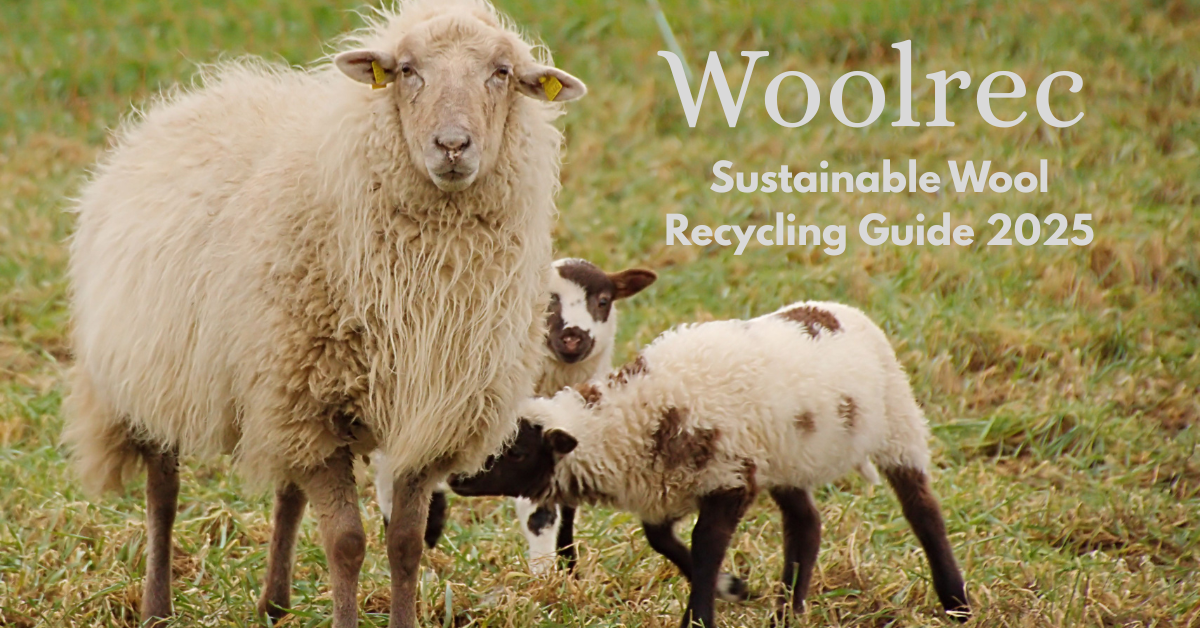
Ever chucked an old wool sweater straight into the garbage? Yeah, guilty here too. But then I stumbled on this whole Woolrec thing and honestly felt kinda dumb for not knowing about it sooner. Turns out your trashed wool clothes can literally become brand new stuff instead of rotting in some landfill forever. Been diving deep into sustainable fashion rabbit holes lately and this tool actually does real work versus companies just slapping “eco-friendly” on regular products. Gonna tell you everything I learned so you don’t waste time figuring it out yourself.
What is Woolrec?
Alright so Woolrec basically means taking old wool stuff and recycling the fibers into new things. Like that ratty sweater gathering dust in your closet? Instead of tossing it, this service process tears it apart, cleans everything up, then spins those fibers into fresh yarn or fabric.
Not some weird new invention either. People have been doing this forever but Woolrec makes it way bigger and more organized. Keeps wool going in circles getting reused over and over instead of just piling up in landfills taking up space unnecessarily.
The History Behind Wool Recycling
This Italian town called Prato has been recycling wool since the 1800s. Not joking. They’ve been doing this for over a century now cranking out about 15% of all recycled textiles worldwide. Pretty wild when you think about it.
But Woolrec takes that old school approach and upgrades it with modern tech and global networks. What used to be this niche local thing in one Italian town is becoming a mainstream solution everywhere. The whole point isn’t just cutting waste. It’s showing the entire fashion industry how to actually operate responsibly instead of just talking about it.newstrex our fashion section covers innovative brands actually leading sustainable textile movements instead of just greenwashing.
Why Woolrec Matters Right Now
The fashion industry throws away insane amounts of stuff constantly. We’re talking 92 million tonnes of textiles hitting landfills every single year globally. That’s literal mountains of discarded clothes piling up nonstop.
Sure wool biodegrades eventually being natural and all. But letting it sit in landfills for years still releases greenhouse gases anyway. By using this tool, fashion companies slash their environmental damage dramatically. Recycled wool production uses way less water and energy than making virgin wool from scratch. Plus keeps old wool from just polluting everything. newstrex digs into sustainability innovations actually changing how industries operate worldwide.
The Woolrec Process Step by Step
Woolrec system runs through several stages getting maximum fiber recovery. The first part is a collection where companies grab old garments and leftover wool materials. Workers sort everything by type, color, quality separating different grades carefully.
Modern cleaning gets rid of dirt, dyes, and random gunk stuck in the fibers. Then machines re-spin the cleaned wool into fresh yarns or nonwoven fabrics ready for making new products. The whole thing transforms literal trash into something valuable proving discarded wool scraps can become raw material for completely new stuff.
Environmental Benefits of Woolrec
Woolrec cuts down textile waste burden massively. The textile industry pumps out millions of tons of waste yearly. Woolrec turns those discarded fibers into useful resources meaning way less junk polluting the environment for no reason.
Making brand new wool needs water, energy, land, all that resource intensive stuff. Recycling existing fibers through this platform slashes greenhouse gas emissions and saves natural resources big time. Gives practical solutions to climate problems everyone keeps yapping about without actually doing much.
Applications in Sustainable Fashion
Sustainable designers now grab Woolrec materials making coats, sweaters, accessories. Products keep wool’s warmth and softness while cutting waste dramatically. Recycled wool lets brands reduce costs while attracting eco-conscious shoppers who actually care about this stuff.
Consumers demand eco-friendly options constantly these days. This tool gives fashion brands a chance to create stylish collections without trashing the planet. The fashion world can finally move away from fast fashion’s wasteful garbage practices toward something actually sustainable for once.
Home Textiles and Interior Applications
In homes, Woolrec shows up in cushions, carpets, rugs, blankets. These items look good while being responsible choices people can feel decent about buying. Plus recycled wool adds comfort and natural insulation indoors.
Stuff like blankets, carpets, upholstery gets made from recycled wool now giving people sustainable options for their spaces. The versatility of this platform materials makes them work for tons of different interior design needs.
Industrial Uses Beyond Fashion
Industries use this service for way more than just clothes or home decor honestly. Soundproof panels improve building acoustics using recycled wool fibers. Thermal insulation keeps temperature regulated in homes and offices efficiently.
Car interiors combine durability with sustainability through Woolrec applications. Beyond fashion stuff, Woolrec materials work in insulation, automotive interiors, acoustic panels because wool’s natural thermal and sound-absorbing abilities translate perfectly to industrial uses.
Comparing Recycled vs Virgin Wool
Recycled wool sometimes has shorter fibers reducing durability a bit compared to virgin wool. But for most uses the quality difference is tiny while environmental benefits are absolutely massive.
Virgin wool production needs extensive land, water, energy resources. This tool skips all that by reusing existing materials. Trade-off between slight quality variations and environmental protection usually favors recycled options for people actually paying attention.
Circular Economy and Woolrec
Circular economy ditches the old “make, use, trash” model for smarter reuse loops. Woolrec fits this system perfectly by keeping wool circulating longer. Businesses waste less, consumers get affordable eco-products, and the environment suffers way less damage.
This circular approach treats used wool as a valuable resource instead of garbage. Keeping wool in continuous circulation and regenerating old items into new products, this platform helps build a sustainable future where textiles get reused repeatedly instead of just piling up forever.
Challenges Facing Wool Recycling
Despite looking promising, Woolrec faces several real challenges. Collecting waste wool on a huge scale needs efficient logistics networks. Some fibers lose quality after multiple recycling rounds limiting how many times you can reuse them.
Tons of consumers have zero clue Digital tool even exists. Processing costs stay high because advanced machinery and labor-intensive sorting make recycling expensive. But new tech, government support, and awareness campaigns are slowly solving these problems bit by bit.
Consumer Appeal and Market Growth
Eco-conscious buyers increasingly trust brands using Woolrec materials. Consumer demand for sustainable alternatives drives market growth making recycled wool profitable, not just ethical. Business opportunities open up in sustainable markets for companies actually adopting this platform practices.
These benefits work together creating long-term value for both people and the planet. Growing awareness of climate problems pushes Woolrec toward wider adoption globally as consumers actually prioritize environmental impact when buying stuff.
How to Identify Woolrec Products
Look for certifications and labels showing recycled content. Brands committed to Woolrec usually advertise this out loud because it’s a major selling point. Check product descriptions for terms like “recycled wool,” “post-consumer fibers,” or “upcycled textiles.”
Online platforms focused on sustainable goods showcase tons of options from clothing to home textiles. Websites about eco-products offer transparency about sourcing and production helping conscious consumers make informed choices supporting this service initiatives.
Care and Maintenance of Recycled Wool
Caring for Woolrec products right extends their life significantly. Start checking care labels since different items have specific needs. Wool generally wants gentle handling whether recycled or virgin.
Hand washing in cool water with mild detergent works best usually. Skip hot water and harsh chemicals damaging delicate fibers. Air drying flat keeps shape better than hanging or machine drying causing shrinkage.
Future of Wool Recycling Technology
The future of this service will probably see tech innovations improving fiber recovery for better quality recycled wool. More fashion brands will embrace Digital toolin collections as sustainability becomes a non-negotiable market requirement.
Government policy supporting Woolrec through sustainability regulations and incentives will speed up adoption. New tech addressing current challenges around fiber quality and processing costs promises making this service more economically viable long term.
Role of Consumers in Supporting Woolrec
Consumers play a huge role in strengthening Woolrec practices. Choose products made from recycled wool whenever possible. Support brands being transparent about their sustainability efforts and Woolrec commitments specifically.
Properly dispose of old wool garments by donating or recycling instead of trashing them. Spread awareness about Woolrec benefits among friends and family. Every small choice adds up to a larger impact collectively when enough people participate. For solid sustainable fashion guidance.
Woolrec and Fast Fashion Alternatives
Fast fashion’s wasteful practices trash the environment constantly. Woolrec provides a real alternative proving fashion doesn’t need disposable mentality. Quality recycled wool products last years with proper care unlike cheap fast fashion junk falling apart after few washes.
Shift toward this service and similar sustainable practices represents necessary evolution in how we make and buy textiles. Moving away from fast fashion toward circular economy models benefits everyone except companies profiting from planned obsolescence.
Global Adoption and Regional Differences
Woolrec adoption varies globally with Europe leading recycled textile production. Prato Italy remains a recycling hub but other regions are catching up. Asia shows growing interest as environmental regulations get stricter.
North America lags somewhat but awareness is building. Each region faces unique challenges around infrastructure, regulations, and consumer education. But the global nature of the fashion industry means innovations in one area eventually spread worldwide benefiting Woolrec adoption overall.
Is Woolrec Worth Supporting?
Hell yeah for anyone caring about environmental impact. Woolrec tackles real problems with practical solutions versus just greenwashing marketing BS. The tech works, products perform well, environmental benefits are substantial and actually measurable.
Supporting this tool through buying choices, spreading awareness, proper disposal of old wool items helps build a more sustainable textile industry. Every individual action adds up when enough people get involved creating meaningful change collectively over time.
FAQs
What exactly does Woolrec mean?
Woolrec stands for wool recycling. System of recovering, cleaning, repurposing wool fibers from old garments and textile waste into new products instead of trashing everything.
Is recycled wool quality good?
Yeah. While recycled wool might have slightly shorter fibers, for most uses the quality is excellent and environmental benefits way outweigh minor differences.
How much waste does Woolrec prevent?
The textile industry produces 92 million tonnes of waste yearly. This tool significantly cuts this by transforming discarded wool into valuable resources instead of landfill waste.
Where can I buy Woolrec products?
Look for brands advertising recycled wool content. Online sustainable fashion platforms, eco-conscious retailers, brands focused on circular fashion carry Woolrec products.
Is Woolrec more expensive?
Processing costs can be higher but retail prices are often competitive. As this toolscales up, costs keep dropping making sustainable options more accessible to everyone.