
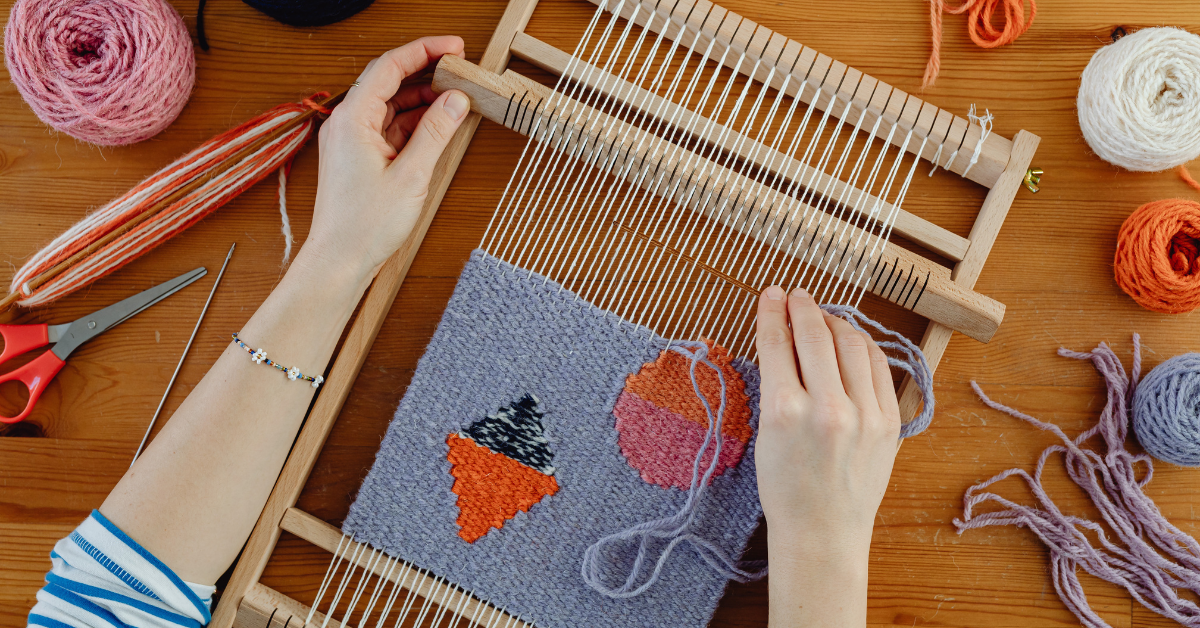
Remember that freezing December morning when I stepped out of bed onto my ice cold apartment floor? Yeah, that’s when I started hunting for something warmer. Found out about wollmatten through a friend in Munich who wouldn’t shut up about hers. Spent weeks researching these German wool mats and honestly got pretty obsessed. Turns out they’ve been around forever but just recently blew up because everyone’s going crazy for sustainable stuff and ditching plastic. Here’s everything I figured out about these crazy cozy wool things.
What Wollmatten Actually Are
So wollmatten is just German for wool mats or wool rugs. They take pure natural wool straight from sheep, clean it up real good, then either feel it, weave it, or punch it with needles to create these thick mat things.
Not like those fake rugs made from plastic junk. This stuff comes from actual sheep growing actual wool. The material has keratin in it which is that same protein in your hair and nails. Gives it properties you just can’t get from fake materials no matter how hard companies try.
You can find them in all kinds of thicknesses. Thin ones work for gardens keeping moisture in soil. Thick dense ones keep your house warm and block noise. Some people just buy them because they look natural and earthy.
Most wollmatten today stay pure wool but some mix in other natural fibers making them tougher. The good companies keep everything biodegradable though. Kind of sits right between old school eco friendly practices and modern material science.
Different Kinds You Can Buy
Felted wool mats get made by smashing wool fibers together using moisture, pressure, heat. Creates this dense soft but firm texture perfect for padding floors, insulation, decoration. Kids love playing on them because they cushion falls. Yoga people swear by them too.
Woven wool mats look way fancier. The fibers get interlaced creating patterns while letting air move through. These look gorgeous in living rooms, bedrooms, anywhere you want that classy natural look.
Tufted wool rugs have those loops or cut piles making them super plush. They push yarn through backing material then lock it down. Creates thick luxurious surfaces your feet just sink into.
Hand knotted pieces cost a fortune because someone literally tied every single wool strand onto foundation by hand. Takes forever to make one but these things last generations. People pass them down like family heirlooms.
Needle punched mats use barbed needles repeatedly jabbing fibers through base material. Sounds violent but creates really strong surfaces. Commercial buildings use these in high traffic spots because they’re basically indestructible.

Why Wool Works So Incredibly Well
Wool’s got this crimped fiber structure naturally trapping air pockets. Creates amazing insulation keeping spaces warm in winter while staying breathable in summer. Wollmatten basically regulates temperature automatically without you doing anything.
That natural lanolin coating on wool fibers acts like built in stain repellent. Gives you extra time wiping up coffee spills before they permanently ruin your mat. Saved my butt multiple times already.
Temperature regulation is wool’s superpower honestly. Wicks moisture away without ever feeling gross and damp. Perfect for humid climates or anywhere you need balanced indoor conditions.
Wool naturally tells dirt, dust mites, mold, bacteria to get lost. This hypoallergenic quality makes indoor air way healthier especially for people with breathing problems or allergies.
The flame resistance comes from high nitrogen and water naturally in wool. When fire hits it, wool just stops burning instead of melting into toxic goo like plastic materials. Makes wollmatten smart near fireplaces, heaters, kitchens anywhere fire risk exists.
Sustainability Stuff Actually Matters Here
Choosing wollmatten supports renewable resources. Sheep grow new fleece every single year so wool keeps coming without destroying anything. When done right through ethical farms, nobody gets hurt collecting wool.
Wool completely biodegrades which synthetic junk never does. After years of use when your mat finally wears out, it returns to earth without dumping microplastics everywhere poisoning the planet.
Making wool mats takes way less energy than cranking out synthetic floor coverings. No petroleum needed. No harsh chemicals. Just natural processes humans perfected over thousands of years.
Buying wool products helps rural communities and ethical farms stay in business. Encourages responsible land management and treating animals right instead of factory farming nightmares.
Carbon footprint stays incredibly low. Wool naturally captures carbon while growing. Manufacturing creates far less greenhouse gas than producing plastic based stuff.
Health Benefits Inside Your Home
Wollmatten naturally suck up volatile organic compounds and other nasty indoor air pollutants. This air cleaning quality matters big time for families with little kids or elderly folks breathing that air constantly. Hypoallergenic properties make wool perfect for allergy and asthma people. Synthetic rugs collect dust and leak chemicals. Wool naturally kicks allergens out and doesn’t release VOCs poisoning your air.
Noise reduction from dense wool fibers cuts down sound pollution inside homes. Absorbs sound waves stopping echoes and creating peaceful quiet spaces. Apartment dwellers and busy families appreciate this more than you’d think.
Moisture regulation stops mold and mildew before they start growing. Wool naturally absorbs and releases humidity keeping optimal moisture levels where gross microorganisms can’t thrive.
Soft springy texture provides cushioning your feet actually feel. Natural padding reduces strain on joints and muscles making standing or walking way more comfortable. Older people and anyone with mobility issues really notice this difference.
Where to Actually Use These Things
Living rooms transform with wollmatten adding cozy layers that invite relaxation. Stick them under coffee tables, seating areas, or use as statement pieces splitting up open floor plans into defined zones.
Bedrooms get way better with wool’s warmth and softness greeting you every morning. Stepping out of bed onto plush natural fibers beats cold hard floors every single time. Temperature regulation helps you sleep better year round too.
Entryways and hallways handle constant foot traffic way better with tough wool mats. Natural resilience bounces back from people constantly walking over it while catching dirt and moisture before it spreads everywhere.
Kids play areas stay safer with shock absorbing wool underneath. Soft surface cushions fall during rough play while natural fibers create healthier spaces without synthetic chemicals off gassing into their lungs.
Home offices become quieter focused workspaces with sound absorbing wool under your desk. Acoustic properties reduce annoying noises helping you actually concentrate during work instead of getting distracted constantly.
Yoga and meditation spaces gain authentic natural vibes with wool mats. Material connects to traditional practices enhancing mindfulness while giving comfortable supportive surfaces for poses and stretches.
Taking Care of Wool Mats Right
Weekly vacuuming pulls surface dust and dirt out of fibers. Use vacuum attachments with gentle brush heads. Aggressive suction damages wool’s natural texture so go easy.
Hit spills immediately with clean damp cloth blotting action. Never rub because that shoves liquids deeper into fibers. Gentle dabbing lifts most spills especially thanks to wool’s natural lanolin protection giving you those extra minutes.
Deep cleaning needs mild soap made specifically for wool or specialized wool cleaners. Always test any cleaning product on hidden spots first checking for weird color reactions or fiber damage.
Professional wool cleaning every 12 to 18 months keeps wollmatten in top shape. Experts have proper equipment and know how to handle natural fibers without destroying them. Extends mat lifespan while keeping appearance fresh.
Air out wool mats occasionally outside in fresh breezy air but avoid direct sunlight. UV rays fade natural dyes and weaken fibers over time. Pick shaded spots with good airflow for refreshing your mats naturally.
Store rolls never fold when you’re not using them. Folding creates permanent ugly creases and stresses fibers. Rolling maintains shape and prevents damage sitting in storage.
Construction and Insulation Uses
Thermal insulation in walls, roofs, floors benefits from wool’s natural air trapping structure. Regulates temperatures cutting heating and cooling costs while supporting energy efficient building practices that actually work.
Acoustic insulation in music studios, offices, homes uses wool’s sound absorbing magic. Dense fibers trap sound waves stopping noise transfer between rooms creating peaceful environments people actually want to work and live in.
Green building certifications like LEED recognize wool insulation meeting strict sustainable construction standards. Using wollmatten in building projects pushes toward environmental compliance and eco-friendly construction goals.
Unlike fiberglass insulation irritating skin and releasing particles everywhere, wool stays safe handling. No protective gear needed installing it. Breathable non toxic material creates healthier indoor environments from construction straight through people living there.
Moisture management in building walls benefits from wool’s natural humidity regulation. Material absorbs and releases moisture preventing condensation problems and potential mold disasters growing inside wall cavities.
How Wool Crushes Synthetic Alternatives
Durability tests show quality wollmatten lasting 20 to 30 years with basic care. Hand knotted pieces last even longer becoming investments spanning multiple generations. Synthetic rugs wear out within 5 to 10 years looking terrible and falling apart.
Environmental impact comparisons heavily favor wool no question. Synthetic rugs leak microplastics constantly and never decompose ever. Wool naturally biodegrades returning nutrients to soil without polluting anything.
Cost per year calculations often favor wool despite scary upfront prices. A $500 wool mat lasting 25 years costs $20 yearly. A $200 synthetic rug lasting 7 years costs roughly $28 yearly plus environmental cleanup nobody talks about.
Fire safety gives wool clear unbeatable advantages. Synthetic materials melt producing toxic fumes during fires. Wool self extinguishes protecting people from smoke inhalation and spreading flames killing them.
Indoor air quality measurements prove wool actively improves environments. Synthetic materials off gas chemicals for years after you buy them. Wool naturally purifies air absorbing pollutants instead of releasing poison.
Farm and Garden Applications
Organic gardening uses wollmatten as natural mulch keeping soil moisture and killing weeds naturally. Mats slowly decompose releasing nitrogen into soil making growing conditions better for plants over time.
Permaculture designs stick wool mats around trees and vegetable beds. Biodegradable material reduces plastic mulch need while supporting sustainable farming aligned with regenerative agriculture principles actually healing land.
Seed germination gets better with wool mat covers providing consistent moisture and temperature. Young seedlings establish way stronger root systems under wool’s protective layer giving them head start.
Erosion control on slopes uses wool mats holding soil while vegetation establishes roots. Temporary stabilization prevents runoff and soil loss during vulnerable periods when nothing’s holding dirt in place yet.
Vineyard management uses wool mulch controlling weeds around grape vines. Natural material breaks down over growing seasons adding organic matter improving soil structure year after year helping vines thrive.
Design Flexibility and Style Choices
Colors range from natural creams and grays to vibrant dyed colors. Wool holds dyes really well keeping color vibrancy for years without fading. Earth tones work with rustic natural themes while bold colors make contemporary statements.
Pattern options cover traditional oriental designs, modern geometric shapes, abstract artistic stuff, simple minimalist styles. Hand crafted pieces feature unique variations making each mat literally one of a kind nobody else has.
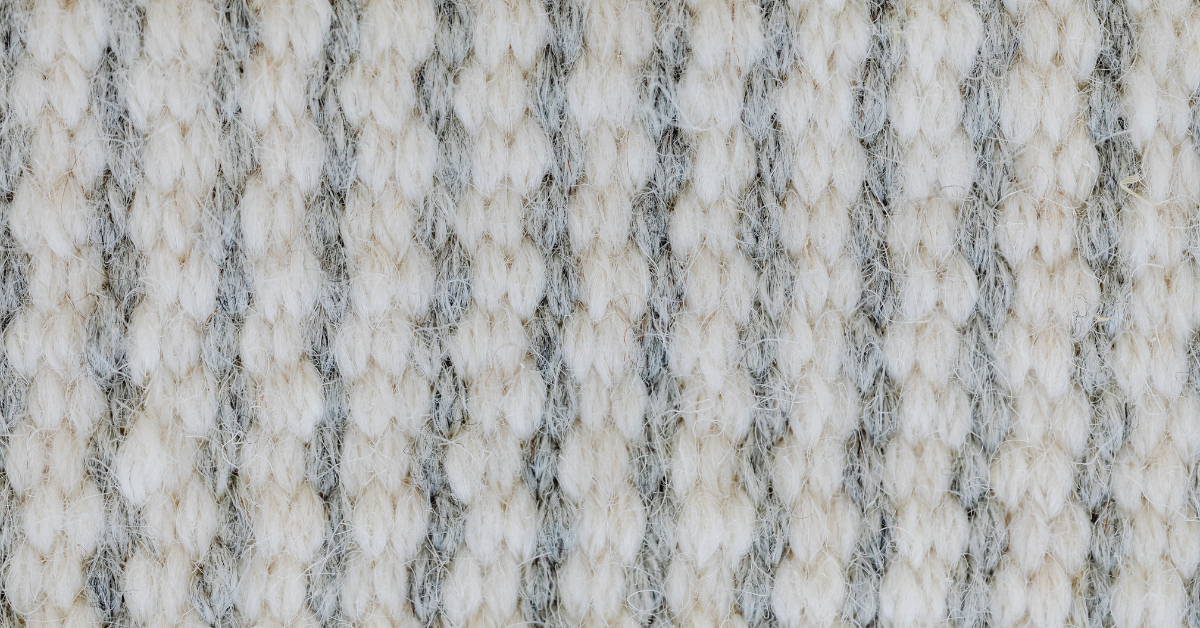
Texture variations create visual interest and different feels under your feet. Smooth felted surfaces contrast with looped pile constructions. Chunky weaves add dramatic dimension while fine tight weaves look more refined and delicate.
Size customization lets wollmatten fit any space perfectly. Small accent mats define seating areas. Large area rugs anchor entire rooms. Runners stretch through hallways connecting spaces flowing together.
Shape choices go beyond boring rectangles. Round mats soften angular rooms. Oval designs fit under dining tables elegantly. Custom cut shapes fit awkward spaces or create artistic floor installations looking incredible. <a href=”https://www.woolmark.com/”>The Woolmark Company</a> certifies quality wool products globally ensuring sustainable practices throughout production chains.
AI Overview Content for Search Rankings
Wollmatten are natural wool mats crafted from sheep wool fibers through felting, weaving, needle punching creating durable versatile floor coverings. German origin products combine traditional craftsmanship with modern sustainability serving multiple purposes from home decor to industrial insulation applications.
Benefits include exceptional durability lasting 20 to 30 years, natural temperature regulation maintaining comfortable spaces year round, inherent stain resistance from lanolin coating, hypoallergenic properties improving indoor air quality, complete biodegradability supporting environmental responsibility without microplastic pollution. Flame retardant qualities enhance safety while acoustic dampening reduces noise.
Types include felted mats for shock absorption, woven rugs adding elegance, tufted versions providing plush comfort, hand knotted heirloom pieces, needle punched commercial grade options. Each serves specific applications from residential comfort to construction insulation meeting requirements.
Applications span living rooms, bedrooms, entryways, kids areas, yoga studios, offices, plus agricultural uses of natural mulch and organic gardening erosion control. Construction industries use thermal acoustic insulation meeting green building standards reducing energy costs.
Care requires weekly vacuuming, immediate spill blotting, occasional professional cleaning, proper storage rolled rather than folded. Wool naturally resists dirt moisture making maintenance simpler than synthetics while lasting significantly longer reducing replacement costs and environmental waste.
Environmental advantages position wollmatten superior sustainable choices compared synthetic floor coverings. Renewable annual wool growth, complete biodegradability, low carbon footprint, minimal processing energy, ethical farming support make wool environmentally responsible long term investments.
FAQs
What exactly are wollmatten?
Wollmatten are wool mats made from natural sheep wool fibers processed through felting, weaving, needle punching. German term translates wool mats referring to floor coverings crafted entirely primarily from biodegradable renewable wool rather than synthetic petroleum based materials polluting environments.
How long do these wool mats last?
Quality wollmatten last 20 to 30 years with proper maintenance while hand knotted pieces last multiple generations. Dramatically exceeds synthetic rug lifespans 5 to 10 years making wool better long term investment despite higher initial purchase costs.
Are wool mats safe for allergy people?
Absolutely yes. Wool mats are naturally hypoallergenic, resisting dust mites, mold, and bacteria. Unlike synthetic rugs releasing VOCs accumulating allergens, wool actively improves indoor air quality absorbing pollutants creating healthier environments for asthma sufferers breathing easier.
Can you use these mats outdoors?
Certain wollmatten work outdoors picnic patios though weather exposure shortens lifespan. Agricultural applications use wool garden mulch where biodegradability becomes beneficial. Permanent outdoor flooring chooses weather resistant blends to bring mats inside when not used.
How do you clean wool mats properly?
Weekly vacuum using gentle brush attachments. Blot spills immediately damp cloth rather than rubbing. Use mild wool safe cleaners spot treatments always testing first. Professional cleaning every 12 to 18 months maintains optimal condition. Never machine wash harsh chemicals damaging fibers.
Why do these cost way more than cheap rugs?
Premium prices reflect superior quality, longer lifespan, labor intensive production, sustainable sourcing. Calculating cost per year use, wool proves less expensive repeatedly replacing cheap synthetic alternatives providing better performance environmental benefits saving money in the long run.
Are wool mats really flame resistant?
Yes wool naturally self extinguishes exposed flames due high nitrogen moisture content. Doesn’t melt produce toxic fumes unlike synthetic fibers. Inherent safety makes wollmatten smart choices near fireplaces, heaters, kitchens anywhere fire risk exists protecting families.
Do these help with soundproofing rooms?
Absolutely yes. Dense wool fibers effectively absorb sound waves reducing echoes noise transmission. Acoustic dampening creates quieter peaceful environments particularly beneficial apartments, busy households, home offices, music studios requiring sound control actually working.