

Man, when I first got my hands on the ap pro x, I honestly didn’t know what to expect. Been through so many portable music players and tech gadgets that promised the world but delivered meh results. But this one? Different story entirely.
Sat down with it last month, plugged in my favorite headphones, and just spent hours testing everything. The sound quality was different – like really different. Not talking about that overhyped marketing stuff you see everywhere. I mean actual, noticeable difference in how music felt.
The thing is, ap pro x isn’t just one product floating around out there. Discovered this while doing research – there’re actually different versions depending on what you’re looking for. Some folks talking about the Hidizs audio player, others discussing Peplink’s rugged wireless access point. Both called ap pro x, both totally different beasts.
What’s The Deal With AP Pro X Anyway?
Alright, so let me break down what ap pro x actually means in the real world, because there’s definitely confusion floating around online.
First version – the Hidizs AP80 Pro-X. This bad boy is a digital audio player, super compact, fits right in your pocket. We’re talking credit card size but packing a serious audio punch. Uses dual ESS9219C DAC chips, supports MQA eight-times unfolding, handles DSD256 natively. For audiophiles, that’s like speaking their love language.
Second version – Peplink AP Pro AX. Completely different animal. This one’s an industrial-grade wireless access point built for harsh conditions. IP67 rated metal enclosure, WiFi six support, can handle temperatures from negative forty degrees to sixty-five degrees Celsius. Construction sites, factories, outdoor installations – that’s where this thing thrives.
Met a sound engineer a couple weeks back who swears by the Hidizs ap pro x. Carries it everywhere, claims it changed how he experiences music during commutes. Then chatted with an IT guy managing network infrastructure for warehouses – he’s all about that Peplink model for keeping connectivity solid in brutal environments.
For those curious about exploring broader tech trends and digital innovations, might wanna peek at NewsTrex where contemporary topics get regular coverage.
The Audio Player Side Of Things
Let’s dive deeper into the Hidizs ap pro x first because that’s what most people searching this term probably care about.
This device measures just sixty-one point two by fifty-four point five by thirteen point eight millimeters. Weighs seventy grams. That’s lighter than most smartphones but delivers audio quality that embarrasses devices ten times its size and price.
Built from aluminum using five-axis CNC technology. Not just marketing fluff – you can feel the quality when holding it. Right side features this X-shaped design with angular diamond surfaces, embedded Japanese ALPS volume wheel that feels buttery smooth when adjusting levels.
Screen’s a two point four five inch Samsung IPS touchscreen, four hundred eighty by three hundred sixty resolution. Small, sure, but surprisingly usable. Bright enough to see outdoors, responsive enough that fat-finger mistakes happen way less than you’d expect.
Battery life clocks in around eight to eleven hours on single-ended output, six to eight hours using balanced. Not gonna win endurance medals, but charges fast – about an hour from dead to full.Storage situation deserves mention because it’s flexible in ways competitors aren’t. Comes with sixteen gigs internal memory, but here’s where it gets good – supports microSD cards up to two terabytes. That’s thousands of high-res FLAC files sitting in your pocket ready to go.
Connectivity options impressed me more than expected. USB Type-C for charging and data transfer, three point five millimeter headphone jack, plus two point five millimeter balanced output. Bluetooth five point zero onboard supporting LDAC, aptX HD, all the codecs audiophiles obsess over.
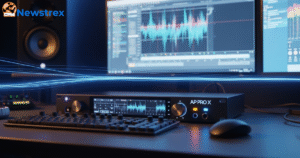
Performance That Actually Matters
Okay, so specs on paper mean nothing if real-world performance sucks. Spent serious time testing the ap pro x with different headphones, different music genres, different scenarios.
Classical music revealed details I’d never noticed before in recordings I’ve heard hundreds of times. String instruments had this texture, this presence that usually gets lost in compressed formats or lesser players. Violins sounded like actual violins instead of approximations.
Rock and metal benefit hugely from the clean power output. Distorted guitars maintain clarity instead of turning into muddy messes. Bass stays tight and controlled rather than bloating everything. Drums hit with impact you can feel.
Electronic music? Man, that’s where ap pro x really shows off. Synthesizers layer properly, sub-bass frequencies that shake your skull without overwhelming mid-range elements. Tried it with some Deadmau5 tracks, Aphex Twin, random Bandcamp discoveries – consistently impressive across the board.
Tested headphone compatibility extensively because that’s make-or-break for portable players. Low-impedance earbuds? No problem, plenty of clean power without hissing. High-impedance studio cans? Drives them surprisingly well for such a small device, though ultra-demanding headphones might push its limits.
According to insights from TechRadar, portable audio players are experiencing a renaissance among serious listeners who want better quality than smartphone DACs provide.
The Networking Hardware Version
Now switching gears completely to talk about the Peplink ap pro x because some folks are definitely searching for that instead.
This access point targets a completely different audience than the audio player. We’re talking enterprise deployments, industrial settings, places where consumer-grade networking equipment dies quick deaths.
Physical construction prioritizes durability over aesthetics. Die-cast metal enclosure with IP67 rating means it handles dust, water, and physical impacts that would destroy typical access points. Seen these installed in manufacturing facilities where ambient temperature swings wildly and dust coats everything within hours.
Wireless capabilities utilize WiFi six technology – that’s eight oh two point eleven ax for technical folks. Dual-band concurrent operation, supports up to three hundred clients simultaneously. Real-world testing shows it maintains stable connections even in congested RF environments where cheaper APs flake out constantly.
Mounting flexibility matters for industrial installations. AP pro x offers multiple mounting options – ceiling mount, wall mount, pole mount. Comes with all necessary hardware, actual industrial-grade fasteners instead of flimsy plastic clips that snap if you look at them wrong.
Power delivery happens via PoE – Power over Ethernet. Single cable provides both network connectivity and power, simplifying installations where running separate electrical circuits would be expensive or impossible. Supports standard eight oh two point three af/at PoE, plus passive PoE for maximum compatibility.
If you’re exploring more about networking technology and digital infrastructure discussions, check out NewsTrex for regular updates on emerging trends.
Real-World Usage Scenarios
Let’s talk about how people actually use ap pro x in their daily lives instead of just rattling off specs.
For the audio player version, commuters make up a huge chunk of users. Subway rides, bus trips, flights – situations where smartphone battery matters too much to drain it streaming high-quality audio. Having a dedicated player means the phone stays charged while still enjoying premium sound quality.
Gym usage works surprisingly well despite the device’s premium positioning. Compact size clips easily to workout gear, physical controls mean adjusting volume mid-rep doesn’t require pulling out phone and navigating touchscreens with sweaty fingers. Just spin that volume wheel and keep going.
Home listening sessions benefit too. Pair the ap pro x with quality desktop setup or powered speakers via line out, suddenly you’ve got an affordable high-res digital source that competes with players costing five times as much. Audiophile forums full of people doing exactly this setup.
For the networking hardware version, warehouses and distribution centers represent the primary market. These facilities need reliable wireless coverage across massive spaces filled with metal shelving and constant RF interference from forklifts and machinery. AP pro x handles this environment better than consumer gear ever could.
Outdoor venues use them extensively. Concert spaces, sports stadiums, construction sites – anywhere standard equipment fails due to weather exposure or physical abuse. Seen them mounted on temporary structures at festivals, permanent installations at stadiums, even mobile deployments on vehicles.
Manufacturing plants deploy these where production equipment generates electrical noise that murders typical wireless signals. The ap pro x filtering and shielding keeps connectivity stable even when giant motors and welders are running constantly nearby.

Common Problems People Run Into
Gonna be real about issues because perfect products don’t exist and pretending otherwise helps nobody.
With the audio player ap pro x, firmware updates sometimes cause temporary hiccups. Not bricking devices or anything catastrophic, just occasional bugs that need patches. Hidizs usually responds reasonably fast with fixes, but that waiting period when your device acts weird? Frustrating.
The user interface takes an adjustment period. Coming from smartphone music apps, the ap pro x control scheme feels clunky initially. Touchscreen plus physical buttons plus that volume wheel – figuring out efficient navigation patterns takes a couple days of regular use.
File management can get tedious. Loading music means either copying files via USB or swapping microSD cards. No wireless sync option, no streaming service apps beyond Bluetooth. For people used to Spotify convenience, this feels like stepping backwards technologically.
Battery life, while decent, won’t satisfy all-day-every-day users who forget to charge overnight. Eight hours sounds fine until you’re on a long flight and realize you didn’t top it off before leaving home. Always keep charging cable handy.
For the networking ap pro x, configuration complexity scares away casual users. This isn’t consumer plug-and-play gear. Need actual networking knowledge to set up VLANs, configure SSIDs properly, optimize channel selection. Documentation helps but the learning curve is still steep.
Cost represents the biggest barrier for both versions. Audio players run a couple hundred bucks when quality earbuds cost less. Enterprise access point costs several hundred when consumer models sell for fifty bucks at big box stores. Value proposition exists but requires commitment to quality over budget options.
How AP Pro X Stacks Against Competition
Worth examining how ap pro x compares to alternatives because context matters when making purchase decisions.
In the portable audio player space, Sony’s Walkman series represents main competition. Sony devices often cost more while delivering similar performance. AP pro x advantage lies in smaller form factor and lower price point while maintaining comparable sound quality. Sony wins on brand recognition and ecosystem integration though.
FiiO players compete directly in the same market segment. Similar pricing, similar feature sets, similar target audience. Comes down to personal preference regarding user interface design and specific audio signature preferences. Some folks swear FiiO sounds warmer, others prefer ap pro x cleaner presentation.
Smartphones obviously represent the biggest competition for casual listeners. Why carry a dedicated player when the phone does music plus everything else? The answer depends on how much audio quality matters versus convenience. AP pro x destroys smartphone audio quality but loses badly on versatility and ease of use.
For networking hardware, Ubiquiti and Aruba dominate the enterprise wireless market. Ubiquiti offers better value at consumer price points, Aruba provides more features at enterprise price points. AP pro x carves a niche in industrial durability where both competitors’ standard models struggle.
Cisco enterprise APs offer more features and better management software. Cost significantly more though. Organizations choosing ap pro x usually prioritize rugged construction and reasonable pricing over cutting-edge features they won’t actually use.
Consumer mesh systems from Netgear or TP-Link can’t compete on durability or performance but cost fraction of ap pro x pricing. Different markets entirely – comparing them makes little sense beyond acknowledging alternatives exist at various price points.
Setup Process Walkthrough
Let me walk through actually getting ap pro x up and running because setup experiences matter tremendously for user satisfaction.
The audio player version starts simple – charge it fully before first use. It takes about an hour, and the indicator light shows charging status clearly. While charging, good time to organize music files on the computer if they’re scattered across multiple folders.
Once charged, power on the device by holding the power button for a few seconds. Initial setup wizard walks through basic settings – language selection, date/time, storage location preferences. Interface not particularly intuitive but manageable if you pay attention.
Loading music happens via USB connection to the computer. The device shows up as a mass storage device, dragging and dropping files directly. Alternatively, load music onto a microSD card using a card reader, pop the card into ap pro x, boom – ready to go. Database scanning takes a couple minutes depending on library size.
Navigating menus requires patience initially. Music organized by folder structure, artist, album, genre – standard stuff but layout takes getting used to. Creating playlists works but feels cumbersome compared to smartphone apps. Worth learning keyboard shortcuts that speed up common tasks.
For networking ap pro x, setup requires more technical knowledge. Begin by accessing the web interface using default IP address and credentials. Change default password immediately – security basics people ignore too often.
Configure wireless settings next – SSID names, security protocols, channel selection. Auto settings work okay but manual optimization usually delivers better performance. Takes some trial and error finding ideal configuration for a specific environment.
VLAN configuration matters for segmenting different types of network traffic. Guest network, corporate devices, IoT sensors – keeping these separated improves security and performance. AP pro x handles multiple VLANs cleanly once configured properly.
Mounting physically requires planning. Survey installation location for optimal coverage, check for interference sources, ensure PoE cable run stays within spec limits. Rush this step, end up with dead zones and unstable connections requiring expensive remediation later.
For additional insights on various tech setup guides and troubleshooting tips, explore discussions at NewsTrex where community engagement happens regularly.

Long-Term Ownership Experience
Let’s talk about what owning ap pro x looks like after the initial honeymoon period wears off and reality sets in.
For the audio player version, durability proved solid through months of daily pocket carry. The aluminum body picks up minor scratches and dings but nothing affects functionality. Screen protector highly recommended because touchscreen scratches easily without protection.
Software updates arrive occasionally adding features and fixing bugs. Update process straightforward – download firmware to device, run update from settings menu, wait a few minutes. Never had updated a brick device though I always backup music files before updating anything just in case.
Battery degradation is inevitable with lithium batteries but seems slower than smartphones. After six months of heavy use, runtime decreased maybe ten percent. Acceptable considering charging happens daily anyway. Battery replacement is possible but requires technical skills most users lack.
Community support is surprisingly active for niche products. Online forums full of experienced users sharing tips, troubleshooting advice, firmware customization guides. Responsive user base makes problem-solving easier when official documentation falls short.
For networking ap pro x, long-term reliability where these devices truly shine. Seen deployments running continuously for years in harsh industrial environments without failures. Occasional firmware updates improve performance and security but devices work fine even if never updated.
Remote management capabilities prove invaluable for maintaining distributed deployments. Log into the management interface from anywhere, check status, push configuration changes, reboot if necessary. Beats driving to remote sites for routine maintenance tasks.
Scalability works well when expanding networks. Adding more ap pro x units integrates seamlessly with existing infrastructure. Centralized management handles dozens or hundreds of access points without becoming an overwhelming nightmare like some competing platforms.
Making The Purchase Decision
Okay, real talk about whether ap pro x makes sense for your specific situation because blanket recommendations help nobody.
Buy the audio player version if you’re serious about sound quality and willing to accept trade-offs. Carrying separate devices adds pocket bulk. Managing music files manually feels archaic compared to streaming. Interface quirks require patience. But that sound quality difference? Real and significant for anyone who actually cares about how music sounds.
Skip the audio player if convenience matters more than audio quality. Smartphones are good enough for most people most of the time. Premium headphones with smartphones make a bigger difference than mid-tier headphones with dedicated players. Spending money wisely means knowing which upgrades actually matter for your priorities.
Buy the networking version if deploying wireless in industrial or harsh environments where consumer equipment fails quickly. Upfront costs are higher but eliminating frequent replacements and service calls pays for premium pricing within a year or two. Reliability worth paying for when downtime costs real money.
Skip the networking version for typical office or home installations. Overkill for standard environments where cheaper solutions work perfectly fine. Unless specific requirements demand industrial specs, spending extra money delivers minimal practical benefit over appropriately-specced mainstream alternatives.
Future Outlook And Updates
Worth discussing where ap pro x products are heading and what improvements coming down the pipeline based on current trends.
For audio players, wireless technology is constantly improving. Future versions likely integrate better Bluetooth codecs, possibly WiFi streaming capabilities. Battery technology advances could extend runtime significantly. Display improvements making interfaces easier to navigate would help tremendously.
Storage limitations matter less as memory costs drop. Two terabyte microSD cards exist now though expensive. Within a couple years, massive storage becomes standard rather than a premium feature. Entire music libraries fitting on a single card without careful curation.
For networking hardware, WiFi six E and eventually WiFi seven adoption requires hardware updates. Current ap pro x models eventually superseded by versions supporting newer wireless standards. Lifecycle typically spans five years before technology advancements make replacements worthwhile.
Security requirements constantly evolving mean firmware updates crucial for network equipment. Peplink’s track record supporting older hardware is reasonably good but eventually older models stop receiving updates. Planning for eventual replacement part of responsible network management.
Wrapping This Up
So there you have it – deep dive into ap pro x covering both major product categories using this name.
Main takeaway here? Know which version you actually need before purchasing because despite sharing names, these products serve completely different purposes for different audiences.
The audio player version delivers legitimate sound quality improvements for people who genuinely care about how music sounds. Not for everyone but absolutely worthwhile for the target audience willing to accept trade-offs inherent in dedicated audio devices.
The networking hardware version provides industrial-grade reliability for harsh environments where standard equipment fails. Costs more upfront but eliminates expensive failures and service calls over lifespan. Right tool for specific job rather than universal solution.
Whether you’re exploring ap pro x for personal audio enjoyment or enterprise network infrastructure, understanding what you’re actually getting matters tremendously for satisfaction with purchase decisions.
Do your homework, understand requirements, match product capabilities to actual needs. Simple formula but surprisingly many people skip these steps then complain products don’t meet expectations they never should’ve had in the first place.
Quick Answers About AP Pro X
Which AP Pro X version should I buy?
Depends entirely on your needs. Hidizs audio player for portable high-quality music listening. Peplink access point for industrial wireless networking. Completely different products serving different purposes.
Is the audio quality actually better than smartphones?
Yes, significantly better. Dedicated DAC chips, better amplification, cleaner power delivery all contribute to audible improvements. Noticeable difference with quality headphones, less obvious with cheap earbuds.
How difficult is setup for the networking version?
Requires solid networking knowledge. Not plug-and-play consumer equipment. If terms like VLAN and SSID optimization confuse you, hire a professional installer or choose simpler equipment.
Can I use streaming services on the audio player?
Not directly. No Spotify or Apple Music apps. Can use Bluetooth from phone to player, but defeats the purpose of having a dedicated device. Designed for locally stored high-res files.
How long does the audio player battery last?
Eight to eleven hours single-ended, six to eight hours balanced output. Charges fully in about an hour. Standby time is around twenty-five days.
Is the networking hardware weatherproof?
Yes, IP67 rated. Handles dust, water, temperature extremes. Suitable for outdoor installations and harsh industrial environments where consumer gear fails quickly.
What headphones work best with an audio player?
Most headphones work fine. Optimal impedance range sixteen to three hundred ohms. Ultra-low impedance might introduce slight hiss. Ultra-high impedance might not reach desired volume levels.